

Staying active is only one part of maintaining a balanced fitness routine. Recovery is equally important, especially when your schedule includes regular workouts, long working hours, travel, or physically demanding activities. Giving your body time and attention between active periods can help you feel more prepared for whatever comes next.
The good news is that recovery does not always require a complicated plan. A few practical habits, such as gentle movement, stretching, hydration, quality sleep, and relaxation, can become part of an everyday routine. Revomadic offers recovery-focused tools that can complement these habits and make it easier to create a dedicated recovery routine at home.
Why recovery deserves a place in your daily routine
It can be tempting to focus entirely on exercise when working towards a fitness goal. However, constantly pushing yourself without allowing enough time for rest can leave you feeling tired and make it harder to maintain your routine consistently.
Recovery gives you an opportunity to slow down and pay attention to how your body feels. This does not necessarily mean spending an entire day doing nothing. Gentle movement, mobility work, relaxation, and sufficient sleep can all form part of a balanced approach.
Revomadic focuses on recovery solutions designed for use at home, which can be useful for people who want to incorporate recovery into their regular schedule. The important thing is to view any recovery tool as part of a wider routine rather than a replacement for healthy habits.
Your recovery needs can also change from one day to another. After an intense workout, you may need more rest and gentle movement. On a lighter day, a shorter recovery session may be enough. Paying attention to your routine can help you decide what feels appropriate.
Sleep should remain one of the foundations of recovery. No massage device or stretching routine can replace adequate rest. Creating a consistent sleep schedule and giving yourself enough time to unwind can support your overall wellbeing.
Hydration and nutrition also matter. Drinking enough fluids and eating balanced meals can support your body after physical activity. These basics are easy to overlook when your schedule is busy, but they are often more important than adding another complicated recovery technique.
A useful recovery routine should therefore be realistic. If it takes too much time or requires too many steps, you may struggle to maintain it. A simple routine that you can follow consistently is usually more practical than an elaborate plan that quickly becomes difficult to manage.

How to recognise when your body needs a break
Learning to notice how you feel can help you make better decisions about exercise and recovery. Feeling unusually tired, lacking your normal energy, or struggling to maintain your usual performance can be signs that you may benefit from taking things easier.
Muscle soreness can also occur after unfamiliar or demanding exercise. Gentle movement may feel more comfortable than complete inactivity for some people, but the right approach depends on the individual and the cause of the discomfort.
Revomadic provides recovery-focused products that can be incorporated into a personal routine, but they should be used according to their instructions. Recovery tools are not a substitute for professional medical advice when pain is severe, persistent, or associated with an injury.
Your mood can provide useful information too. If you feel unusually irritable, mentally exhausted, or unmotivated, adding more training may not always be the best response. Sometimes a lighter day can help you return to your routine with greater energy.
It can be helpful to keep track of how you feel before and after workouts. You do not need a complicated fitness journal. Simply noting your energy levels, sleep, workout intensity, and general comfort can help you recognise patterns over time.
The goal is not to avoid challenging yourself. It is to understand the difference between normal training fatigue and signs that your body may need additional rest or professional attention.
Creating a practical recovery routine at home
A recovery routine becomes easier to maintain when it fits naturally into your day. You do not necessarily need a separate hour dedicated entirely to recovery. Even a short period after exercise or before bed can become a useful part of your routine.
Start with simple habits. Gentle stretching, controlled breathing, light mobility exercises, hydration, and a few quiet minutes away from screens can help you transition from a busy day into a calmer state. The exact combination can depend on your activity level and personal preferences.
Revomadic offers recovery-focused devices that can be incorporated into an at-home routine. If you use a recovery tool, follow its instructions carefully and avoid assuming that more intense or longer sessions will automatically produce better results.
Timing can also make a difference to consistency. Some people prefer recovering immediately after exercise, while others find an evening routine easier to maintain. Choose a time that fits your schedule instead of copying someone else’s routine.
Your environment matters too. A comfortable space with enough room to move can make recovery sessions feel more intentional. You might keep your recovery equipment in an accessible location so that you do not have to search for it every time you want to use it.
It is also useful to distinguish between active and passive recovery. Active recovery might include walking, gentle mobility work, or light stretching, while passive recovery could involve relaxing, resting, or simply getting enough sleep. A balanced routine can include both.
How massage and mobility practices can complement recovery
Massage and mobility practices can be useful additions to a broader recovery routine. Gentle techniques may help you relax and become more aware of areas that feel tight after physical activity.
Mobility work focuses on moving joints through comfortable ranges of motion. It can be particularly useful as part of a warm-up or cooldown, depending on the activity and individual needs. The aim should be controlled, comfortable movement rather than forcing a joint into a position.
Revomadic offers tools designed around massage and recovery practices, giving users another option for incorporating these activities into their routines at home. As with any recovery method, it is important to use products as directed and pay attention to how your body responds.
Consistency is generally more useful than intensity. A short, comfortable recovery session that you can repeat regularly may be more practical than an occasional session that leaves you feeling uncomfortable.
You can also combine different approaches throughout the week. For example, a light mobility session might fit well after a moderate workout, while a longer rest period may be more appropriate after a particularly demanding day.
Recovery should not become another source of pressure. If you are constantly trying to follow a perfect routine, you may end up feeling that you have failed whenever your schedule changes. Instead, think of recovery as a flexible part of your lifestyle.
When discomfort feels unusual, severe, or persistent, it is important not to rely solely on self-care tools. A qualified healthcare professional can help determine whether an underlying issue needs attention.
The best recovery routine is one that supports your lifestyle rather than making it more complicated. Start with a few simple habits, add useful tools when appropriate, and adjust your routine according to how you feel.
Making recovery easier when you have a busy schedule
A busy lifestyle can make recovery feel like another task on an already crowded to-do list. Work, commuting, family responsibilities, workouts, and social plans can leave very little time for long recovery sessions. The solution is not necessarily to create more free time, but to make recovery fit naturally into the time you already have.
Short routines can be surprisingly useful. A few minutes of gentle movement after training, a brief relaxation session before bed, or a short walk during a work break can become realistic habits. The most important factor is choosing activities that you can repeat consistently.
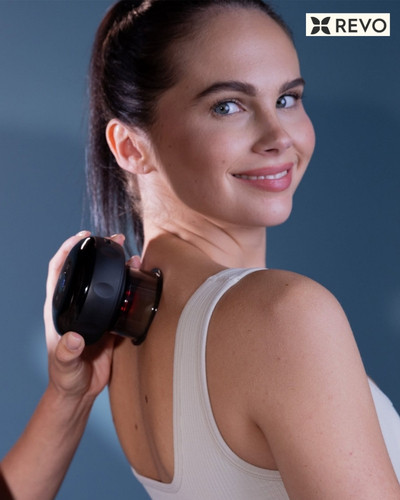
Revomadic offers recovery-focused products that can be used as part of an at-home routine. Keeping a recovery device somewhere accessible can make it easier to remember to use it rather than allowing it to become another item that stays unused in a cupboard.
Planning can also help. If you already know which days are likely to involve harder workouts, you can leave additional time for rest or gentler activities afterward. On particularly busy days, simply reducing the intensity of your routine may be a more realistic choice.
How to stay consistent with your personal recovery routine
Consistency does not mean following exactly the same routine every day. Your recovery needs can change depending on your training, sleep, workload, travel, and general energy levels. A flexible routine is therefore more likely to remain useful over time.
One practical approach is to create a few different recovery options. You might have a five-minute routine for busy days, a longer session for weekends, and a simple relaxation routine for evenings when you feel tired.
Revomadic can be incorporated into these routines according to the intended use of each product. Always follow the manufacturer’s instructions and avoid using recovery equipment on areas or in situations where it is not recommended.
Tracking your habits can also improve consistency. You could simply mark recovery sessions on a calendar or make a note in your phone. Seeing a pattern develop can make it easier to recognise whether your routine is realistic.
Do not be discouraged by occasional breaks. Missing a session because of work, travel, or another commitment does not mean the routine has failed. Simply return to it when your schedule allows.
It is also worth reviewing your routine periodically. Ask yourself which habits genuinely make you feel better and which ones feel unnecessarily complicated. Keep the useful elements and adjust anything that is difficult to maintain.
Recovery should ultimately support your active lifestyle rather than compete with it. Adequate sleep, balanced nutrition, hydration, rest days, gentle movement, and sensible training choices provide the foundation. Recovery tools can complement these habits when used appropriately.
A simple routine may be enough: take a few minutes to cool down after exercise, drink water, eat a balanced meal, allow your body time to rest, and use suitable recovery practices when they fit your needs. Over time, these small habits can become a natural part of your schedule.
The goal is not to create a perfect recovery plan. It is to develop a sustainable approach that helps you listen to your body, manage your routine responsibly, and make time for rest even when life becomes busy.