
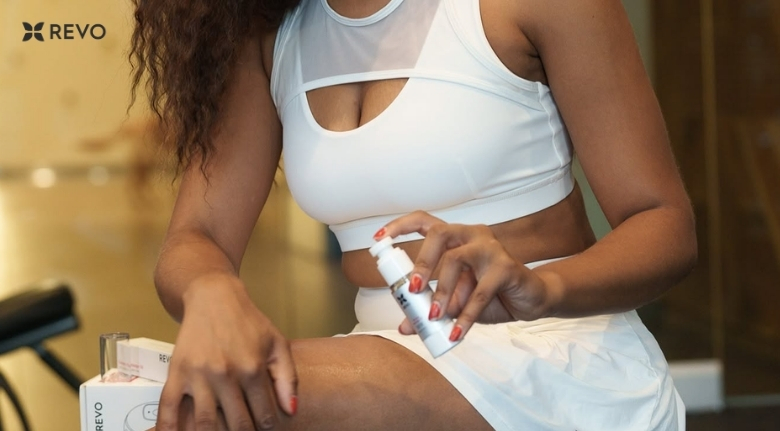
Finishing a workout does not always mean the session is completely over. The few minutes after exercise can be a useful opportunity to slow down, rehydrate, and transition from physical activity back to your normal routine. Instead of immediately rushing to the next task, creating a simple cooldown can help make the end of your workout feel more intentional.
A cooldown does not have to be complicated or take a long time. Gentle movement, comfortable stretching, controlled breathing, and appropriate recovery practices can all have a place in a post-workout routine. Revomadic offers recovery-focused tools that can complement these habits when used according to their intended purpose.
Why the minutes after exercise deserve attention
During exercise, your body is working harder than it does at rest. Your breathing and heart rate increase, your muscles are active, and your body temperature rises. When the workout ends, moving immediately from intense activity to complete rest can feel abrupt.
A gradual transition can make the end of a session feel more comfortable. Instead of stopping suddenly, you can spend a few minutes walking slowly, moving gently, and allowing your breathing to settle naturally.
Revomadic focuses on recovery and massage solutions that can be incorporated into a broader post-workout routine. These tools should complement basic recovery habits rather than replace them.
Hydration is another important part of the period after exercise. Drinking fluids can help replace what you lost through sweating, particularly after longer or more intense sessions. Your individual hydration needs can vary depending on factors such as exercise intensity, temperature, and duration.
Nutrition may also be relevant after training. A balanced meal or snack can provide energy and nutrients as part of your overall diet. The exact timing and composition depend on your personal goals and routine.
The cooldown period can also give you a chance to check how you feel. Are you unusually tired? Did a particular movement feel uncomfortable? Do you feel ready to continue your day, or would additional rest be more appropriate?
This simple check-in can help you become more aware of your body’s responses to different workouts. Over time, you may notice patterns that help you plan training and recovery more effectively.
How to gradually bring your body back to rest
A gradual cooldown can be particularly useful after higher-intensity activities. Instead of ending the workout immediately after your final demanding exercise, reduce the intensity progressively.
For example, after a fast run, you might walk for several minutes before stopping completely. Following an intense circuit session, you could move through gentle exercises or simply walk around while allowing your breathing to become more comfortable.
Revomadic products can be incorporated after this initial transition when appropriate. Always follow the specific instructions for the product you are using and avoid assuming that a stronger or longer session will necessarily provide better results.
Controlled breathing can also help create a clear transition between exercise and rest. Try slowing your breathing naturally without forcing it. The goal is simply to give yourself time to settle after physical effort.
The length of your cooldown does not need to be identical after every workout. A short, easy session may require only a brief transition, while a demanding workout may leave you needing more time to slow down.
Your environment can influence the experience as well. If possible, move to a comfortable space where you can drink water, stretch gently, and take a few minutes before returning to your normal activities.
A good cooldown should feel manageable rather than exhausting. You are not trying to add another workout at the end of your workout. The purpose is to transition gradually, reflect on how you feel, and prepare for the recovery period that follows.
The role of gentle stretching and mobility
Stretching can be a useful part of a cooldown when it feels comfortable and suits the type of exercise you have completed. The aim should be gentle movement rather than forcing your body into extreme positions. Slow, controlled stretches can provide an opportunity to relax after a demanding session.
Mobility exercises can also fit naturally into this period. Simple movements through comfortable ranges can help you transition from intense activity to a calmer state. The exact exercises should depend on your workout and individual needs.
Revomadic offers recovery-focused products that can complement a broader approach to mobility and relaxation. These tools should be used according to their instructions and should not be treated as a substitute for professional advice when you are dealing with an injury or persistent pain.
Your cooldown does not need to target every muscle individually. Instead, focus on areas that were particularly involved in your workout. For example, after a lower-body session, you might spend more time on gentle movements involving the legs and hips.
It is also important to distinguish normal post-exercise sensations from pain. A mild feeling of tension may be expected during stretching, but sharp or unusual pain is a reason to stop. Pushing through pain does not make a cooldown more effective.
Breathing can make stretching feel more controlled. Rather than holding your breath, try to maintain slow, natural breathing as you move. This can help prevent you from turning a gentle cooldown into another intense effort.
Where massage and recovery tools can fit in
Massage and recovery tools can be incorporated into a cooldown or used later in the day, depending on your preferences and the product’s intended use. They can provide an additional way to focus on relaxation after physical activity.
The key is to use these tools appropriately. More pressure or longer sessions are not automatically better. Follow the manufacturer’s instructions and pay attention to how your body responds.
Revomadic provides recovery-focused devices designed for home use, giving active people an option for incorporating massage and recovery practices into their routines. Before using any device, read the relevant instructions and understand where and how it is intended to be used.
Timing can also be flexible. You do not necessarily need to use a recovery tool immediately after every workout. Some people may prefer a short cooldown first and a recovery session later, while others may find it convenient to incorporate the tool into their post-workout routine.
It can be helpful to think of recovery tools as one part of a bigger picture. Adequate sleep, hydration, balanced nutrition, sensible training, and rest remain important foundations of recovery.
You should also avoid using a recovery device to ignore significant discomfort. If pain is severe, persistent, or related to a suspected injury, professional medical guidance is more appropriate than relying on a home recovery tool.
A simple approach is often the easiest to maintain. Finish your workout, gradually reduce your activity, drink water, perform comfortable mobility or stretching, and then use an appropriate recovery method if it fits your routine.
The goal is not to make your cooldown complicated. It is to create a short transition that helps you move from exercise into recovery without immediately returning to a busy schedule.
Common cooldown mistakes to avoid
One common mistake is stopping immediately after a demanding workout and moving straight into the next task. While not every workout requires an elaborate cooldown, giving yourself a few minutes to gradually reduce activity can make the transition feel more comfortable.
Another mistake is treating the cooldown as another intense workout. Once your main session is finished, there is usually no need to push yourself through difficult exercises. Gentle movement and comfortable stretching are generally more appropriate for this stage.
Revomadic recovery tools can complement a cooldown routine, but they should be used according to the instructions provided for each product. Avoid assuming that greater pressure, longer sessions, or more frequent use will automatically produce better results.
Skipping hydration is another easy mistake. After sweating during exercise, replacing fluids should be part of your overall routine. How much you need depends on factors such as workout intensity, duration, temperature, and your individual circumstances.
It is also important not to stretch aggressively. Stretching should feel controlled and comfortable rather than painful. If a movement produces sharp or unusual discomfort, stop rather than trying to force greater flexibility.
Finally, avoid comparing your cooldown routine with someone else’s. Different workouts and bodies have different requirements. A routine that works for an experienced athlete may be unnecessary for someone completing a short recreational workout.
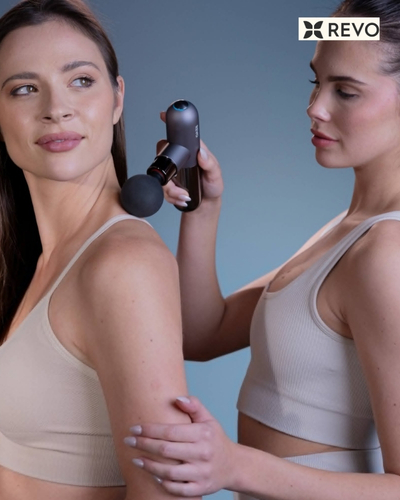
How to make cooldowns a consistent habit
The easiest way to maintain a cooldown routine is to keep it simple. If your cooldown requires too many steps, you may be tempted to skip it whenever you are short on time. A short routine that you can repeat regularly is often more practical.
You could create a basic sequence that takes only a few minutes. Start by reducing your activity gradually, take some time to breathe normally, drink water, and perform a few comfortable mobility movements. After that, you can continue with any additional recovery practice that suits your routine.
Revomadic can become part of this process if its products match your recovery preferences and are used as directed. Keeping recovery equipment somewhere accessible may also make it easier to remember to use it.
Consistency does not mean doing exactly the same thing after every workout. A short session after a light workout may be enough, while a more demanding training day could justify spending additional time on recovery.
It can also help to connect your cooldown to an existing habit. For example, you might always cool down before showering, preparing a post-workout meal, or changing into everyday clothes. Linking the routine to something you already do makes it easier to remember.
Pay attention to how you feel over time. If a particular cooldown method leaves you feeling comfortable and relaxed, it may be worth keeping. If something consistently causes discomfort or feels unnecessarily complicated, reconsider whether it belongs in your routine.
Your cooldown should support your overall fitness habits rather than become another source of pressure. Exercise, sleep, hydration, nutrition, rest, and sensible training choices all contribute to a balanced approach to recovery.
A few minutes of intentional recovery can therefore make the end of a workout feel much more complete. By slowing down gradually, moving comfortably, staying hydrated, and using suitable recovery practices, you can create a routine that fits naturally into everyday life.
The best cooldown is ultimately one you can maintain. It does not need to be perfect or identical every time. It simply needs to give your body and mind a chance to transition from exercise into rest.