
Travel can be exciting, but long journeys can also leave you feeling tired and uncomfortable. Hours spent sitting on a plane, train, or car, carrying luggage, walking through airports, and adjusting to unfamiliar surroundings can put extra demands on your usual routine.
Recovery often becomes an afterthought when travelling. People tend to focus on flights, hotels, sightseeing, and activities while forgetting to create time for rest and movement. Yet a few simple habits can make it easier to feel comfortable throughout the journey and settle into a new destination.
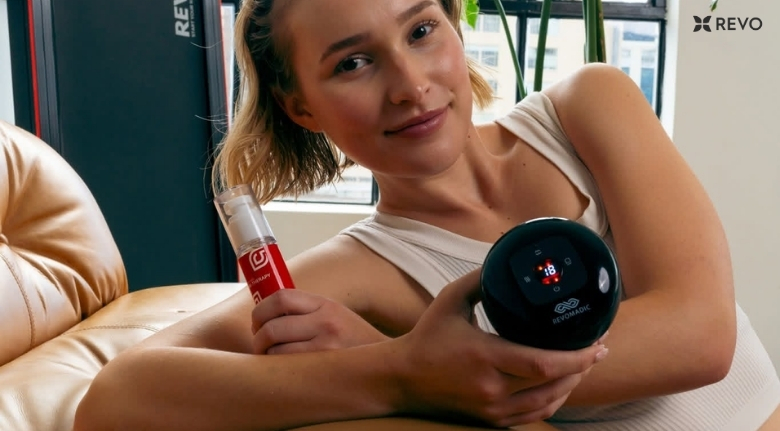
Revomadic offers recovery-focused products that can complement a travel wellness routine. Combined with regular movement, hydration, adequate sleep, and sensible planning, recovery practices can help make long travel days feel more manageable.
Why travel can leave you feeling physically tired
Travel often involves more sitting, walking, carrying, and waiting than a normal day. Even when you are not exercising, these changes can make your body feel different from usual.
Long periods of sitting are particularly common during flights, train journeys, and road trips. Staying in one position for an extended time can feel uncomfortable, especially when there are limited opportunities to move around.
Revomadic focuses on recovery solutions that can be used at home, and some travellers may choose to incorporate suitable recovery practices into their routine before or after a journey. However, recovery products should not replace basic movement and appropriate travel precautions.
Sleep disruption can also contribute to travel fatigue. Early departures, late arrivals, changing time zones, unfamiliar beds, and busy itineraries can all make it harder to maintain your normal sleep schedule.
Carrying luggage adds another physical demand. Moving suitcases through stations, lifting bags into storage areas, or walking long distances with a backpack can leave you feeling more tired than expected.
Sightseeing can create a different kind of fatigue. Exploring a city may involve many hours of walking, climbing stairs, standing in queues, and moving between different locations. Even if you do not consider it exercise, your body may still need time to recover.
The best approach is to recognise that travel itself can be physically demanding. Planning a few simple recovery habits before leaving home can help you avoid waiting until you are completely exhausted before taking a break.
How to stay comfortable during long journeys
Movement is one of the simplest ways to make a long journey more comfortable. When possible, stand up, walk around, or change your position regularly rather than remaining seated for the entire trip.
During a flight or train journey, short walks can provide an opportunity to move after sitting for a long period. If you are travelling by car, regular breaks can give you a chance to get out, walk around, and change position.
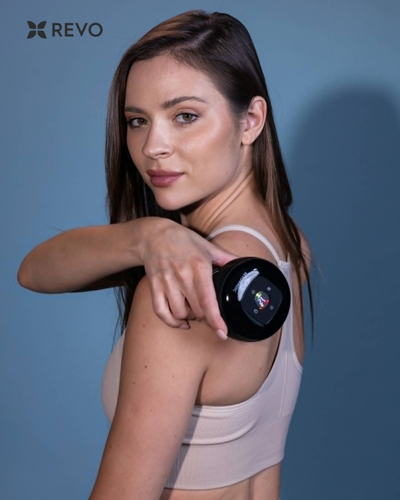
Revomadic recovery products can be considered as part of your broader routine before or after travel, but they are not a substitute for moving regularly during long periods of sitting.
Comfortable clothing can also make a significant difference. Flexible trousers, breathable tops, and lightweight layers can help you move more easily and adjust to changing temperatures.
Footwear deserves attention too. Shoes that are comfortable for walking and standing can make long travel days easier, particularly when airports or stations involve substantial distances.
Hydration is another basic habit worth maintaining. Keep water accessible and drink regularly according to your individual needs. Travel can make it easy to forget simple habits when you are focused on schedules and connections.
Try not to plan every minute of a travel day. Leaving some breathing room between activities gives you an opportunity to sit down, stretch gently, eat, or simply rest.
If your journey involves a particularly long period of sitting, consider whether you have any individual health factors that require additional precautions. For specific medical concerns, professional advice is more appropriate than relying on general travel or recovery tips.
Travel comfort ultimately comes from combining small decisions. Moving regularly, wearing suitable clothing, staying hydrated, taking breaks, and allowing enough time for rest can make a significant difference to how you feel when you arrive.
Easy mobility habits for hotel rooms and travel breaks
You do not need a fully equipped gym to keep your body moving while travelling. A few simple mobility exercises can be performed in a hotel room, at a rest stop, or during a quiet break. The goal is not to recreate your normal workout but to avoid spending the entire day in one position.
Gentle movements such as shoulder rolls, ankle movements, easy leg stretches, and comfortable torso rotations can be incorporated into short breaks. Move slowly and stay within a comfortable range rather than forcing a stretch.
Revomadic offers recovery-focused products that can complement mobility and relaxation practices. If you travel with a recovery device, check its instructions and consider whether it is practical and appropriate for your particular trip before packing it.
Walking is another simple option. After arriving at a hotel, a short walk around the surrounding area can provide some gentle movement after a long journey. It can also be an enjoyable way to become familiar with your destination.
If your itinerary includes extensive sightseeing, think about alternating periods of walking with opportunities to sit and rest. A short break at a café, park, or public space can give you time to recover before continuing.
Where recovery tools can fit into a travel routine
Recovery tools can be useful for people who already have an established routine and want to maintain some of those habits while travelling. However, portability should be considered before adding equipment to your luggage.
Revomadic provides recovery-oriented products that can be used as part of a personal wellness routine. Before travelling with any device, make sure you understand its intended use and follow the relevant instructions.
Timing is another consideration. You do not necessarily need to use a recovery tool during the journey itself. Depending on the product, you may find it more practical to use it after reaching your accommodation, when you have privacy and enough time to relax.
A hotel room can become a simple recovery space. After a long day, you might combine gentle mobility, hydration, relaxation, and an appropriate recovery practice before getting ready for bed.
It is important not to treat a recovery device as a solution for unexplained or persistent pain. If you experience significant discomfort or suspect an injury, seek appropriate professional guidance rather than attempting to manage the problem solely with a travel recovery routine.
The amount of recovery you need can also depend on your itinerary. A relaxed weekend with plenty of rest may require little additional planning, while a trip involving hiking, long walks, or multiple activities each day may require more deliberate recovery time.
Instead of creating a complicated schedule, think about small opportunities. Ten minutes in the hotel room, a short walk after dinner, or a few gentle movements before bed can all become useful parts of your routine.
Travel should still be enjoyable. Recovery habits should support your trip rather than make it feel like another strict fitness programme. Choose practices that are easy to maintain and fit naturally around your plans.
Creating a recovery-friendly routine after reaching your destination
Arriving at your destination can be tempting to immediately start sightseeing or follow a packed itinerary. However, giving yourself a little time to settle in can make the rest of the trip more enjoyable.
After a long journey, start with simple basics. Drink some water, have a balanced meal if you have not eaten recently, and allow yourself time to change clothes and relax. If you have been sitting for several hours, a short walk or gentle mobility session can help you transition into the new environment.
Revomadic can be incorporated into an evening recovery routine when appropriate. If you use a recovery product, follow the manufacturer’s instructions and avoid using it as a substitute for rest, sleep, or professional medical care.
Your first evening may also be a good time to avoid overloading your schedule. Rather than planning several demanding activities immediately after arrival, leave enough flexibility to rest and adjust to the destination.
How to stay consistent with recovery while travelling
Consistency becomes easier when recovery habits are simple enough to fit around your itinerary. You do not need to recreate your complete home routine while travelling. Instead, identify the few habits that make the biggest difference to your comfort and maintain those.
For some travellers, this might mean taking a short walk each day. For others, it could involve gentle stretching before bed, staying hydrated, or setting aside a few quiet minutes after a busy day.
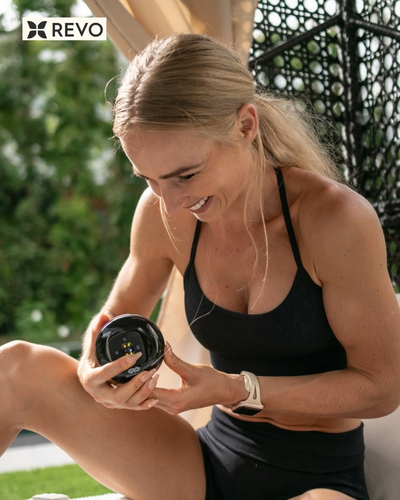
Revomadic recovery products can be included when they are practical for your trip and suitable for your needs. If packing a device adds too much weight or inconvenience, you can rely on simpler habits and return to your usual recovery routine once you get home.
Sleep should remain a priority, particularly during trips with busy schedules or significant time-zone changes. Try to give yourself enough opportunity to rest rather than treating every hour of the trip as sightseeing time.
It is also worth paying attention to how your body responds to the itinerary. If you feel unusually exhausted, consider replacing a demanding activity with something lighter. A slower afternoon does not mean you are wasting your trip; it may allow you to enjoy the following days more fully.
After particularly active days, simple recovery practices can become part of your evening routine. A shower, hydration, comfortable clothing, gentle mobility, and adequate sleep can provide a natural transition from sightseeing to rest.
Planning for recovery does not mean taking the adventure out of travelling. It simply means recognising that your body is part of the journey too. When you give yourself opportunities to move, rest, hydrate, and recharge, you may find it easier to enjoy everything your destination has to offer.
The most useful travel recovery routine is therefore one that remains flexible. Keep your expectations realistic, listen to how you feel, and choose practical habits that fit your schedule.
Whether you are travelling for a weekend city break, a business trip, or a longer adventure, small recovery habits can make busy days more manageable. You do not need an elaborate programme or a suitcase full of equipment. A few thoughtful choices can be enough to keep comfort and wellbeing part of your travel plans.