

Recovery is often treated as something that happens only after a hard workout, but it matters just as much on ordinary days. Long hours at a desk, standing throughout the day, repetitive movements, travel, and physically demanding work can all leave the body feeling tight and tired. A consistent recovery routine can make these everyday discomforts easier to manage while helping you feel more prepared for your next activity.
Instead of waiting until muscles feel extremely sore, many people are beginning to include simple recovery techniques in their regular schedules. The goal is not to spend hours on complicated treatments. A few practical habits, used consistently, can make recovery feel much more manageable.
For people who prefer convenient solutions at home, RevoMatic offers recovery-focused tools designed around techniques such as cupping and massage. These kinds of devices can complement stretching, movement, hydration, and rest without requiring a complicated setup.
Why Recovery Should Be Part of Your Routine
Muscles experience stress whenever you exercise, carry heavy objects, maintain the same posture for hours, or perform repetitive movements. While normal muscle fatigue is expected, ignoring recovery altogether can leave you feeling stiff and uncomfortable. Giving your body time and appropriate support can therefore be just as important as the activity itself.
A good recovery routine does not have to be intense. Gentle movement, adequate sleep, hydration, stretching, and techniques that help you relax can all have a place in it. The most useful approach is usually the one that fits naturally into your lifestyle, because consistency is easier when the process is convenient.
Another advantage of making recovery a habit is that you become more aware of how your body feels. Instead of automatically pushing through discomfort, you can notice when your muscles need rest or when your routine needs adjusting. That awareness can help you make more sensible decisions about training and everyday physical activity.

Understanding Cupping as a Recovery Technique
Cupping has been used in various traditional practices for a long time, but modern recovery devices have made the technique more accessible for people who want to explore it at home. Cupping generally involves creating suction against the skin, which produces the familiar lifting sensation associated with the technique.
Different people use cupping as part of their relaxation or muscle-care routines. Some enjoy the sensation after physical activity, while others incorporate it into their regular self-care schedule. It should be viewed as one recovery option rather than a replacement for proper medical care, particularly when persistent or significant pain is involved.
Modern devices can also make the process more convenient than traditional approaches. Portable designs are particularly useful for people who do not want their recovery routine to depend on visiting a specialist every time. However, it is important to follow the manufacturer’s instructions carefully and understand when a particular technique may not be appropriate.
Combining Recovery With Everyday Movement
One recovery method cannot compensate for an otherwise inactive routine. If you spend most of the day sitting, for example, using a recovery device at night may feel useful, but regular movement throughout the day remains important. Short walks, gentle mobility exercises, and changing positions can make your overall routine more balanced.
The same principle applies after exercise. Rather than immediately stopping all movement once a workout finishes, consider gradually bringing your activity level down. Light walking and gentle stretching can become simple parts of a post-workout routine, followed by adequate fluids and a proper meal when appropriate.
A recovery device can fit into this process as an additional step. Some people may prefer using it after their muscles have cooled down, while others may find it more comfortable during a separate relaxation session. Finding a routine that feels practical is more important than following an unnecessarily complicated schedule.
Choosing a Recovery Device for Home Use
Convenience should be one of the first things to consider when selecting a home recovery device. If something is difficult to set up, uncomfortable to carry, or requires too much time, you may stop using it after the initial excitement disappears. Compact equipment can be easier to incorporate into busy routines.
Controls and usability also matter. A device should be straightforward enough that you can understand its settings without repeatedly checking complicated instructions. Adjustable intensity can be useful because recovery needs may vary depending on the body area and your personal comfort level.
Portability is another consideration for people who travel frequently or move between home, the gym, and work. A recovery tool that can easily fit into your routine has a better chance of becoming a regular habit. Before purchasing, check the included accessories, charging requirements, usage instructions, and recommended application areas.
Making Recovery More Comfortable and Consistent
The best recovery routine is rarely the most complicated one. Start with a few habits that are realistic for your schedule. For example, you might spend a few minutes moving after long periods of sitting, stretch gently after physical activity, and reserve a short evening session for relaxation and muscle care.
It is also worth paying attention to how your body responds. Recovery should not become another activity that leaves you feeling uncomfortable. If a technique causes significant pain, unusual swelling, skin problems, or other concerning symptoms, stop using it and seek appropriate professional advice.
Consistency matters more than doing everything at once. A simple routine that you follow several times a week can be easier to maintain than an elaborate plan that only happens occasionally. Over time, these small habits can turn recovery from an afterthought into a normal part of your lifestyle.
Creating a Recovery Routine That Fits Your Lifestyle
Everyone’s routine will look slightly different. Someone who trains several times a week may need a more structured approach, while someone working at a desk might focus primarily on mobility, posture changes, and relaxation. Your recovery habits should reflect the activities that place the most demand on your body.
A practical starting point is to identify when you usually feel the most tension or fatigue. If your shoulders feel tight after working at a computer, introduce movement breaks during the day. If your legs feel tired after exercise, focus on gentle post-workout movement and adequate rest. If stress makes it difficult to relax, a quiet recovery session in the evening may fit better.
The important thing is to build a routine you can actually maintain. Recovery does not need to take over your schedule. With thoughtful habits and convenient tools, it can become a small but valuable part of everyday self-care.
Building a Better Routine Around Your Recovery Needs
A useful recovery routine should match what your body actually experiences during the week. Someone who exercises regularly may focus on post-workout muscle care, while someone who spends long hours working at a desk may need more attention on mobility and relaxation. Looking at your daily habits first makes it easier to choose techniques that genuinely fit your lifestyle.
It can help to divide recovery into small sessions rather than treating it as one long activity. A few minutes of movement during the day, gentle stretching after physical activity, and a relaxing session in the evening can be easier to maintain than setting aside a large block of time. This approach also makes recovery feel less like another task on your to-do list.
Technology can add convenience when used sensibly. A compact recovery device can be kept where you are most likely to use it, such as near your workout equipment or in a relaxing part of your home. Keeping it accessible removes one of the biggest obstacles to consistency: forgetting or postponing the routine.
How to Use Recovery Tools Responsibly
Before using any recovery device, take time to understand how it works and read its instructions carefully. Different techniques can have different requirements, and using excessive intensity does not necessarily produce better results. Start conservatively and pay attention to how your body reacts.
Cupping in particular can temporarily leave visible marks on the skin. This can be a normal result of suction, but it is still important to use the device according to its intended purpose. Avoid treating areas where the skin is irritated, injured, or otherwise unsuitable for the technique.
People with certain medical conditions or specific health concerns should speak with an appropriate healthcare professional before trying cupping or similar recovery techniques. A home device should complement sensible self-care rather than replace professional assessment when symptoms are persistent, severe, or unexplained.
Pairing Muscle Care With Rest and Hydration
Recovery involves more than what you do with a device. Sleep, nutrition, hydration, and rest all influence how your body handles physical demands. Even the most advanced recovery tool cannot make up for consistently poor sleep or inadequate recovery time.
Hydration is particularly easy to overlook during busy days. Keeping water nearby and drinking regularly can be a simple habit, especially when exercising or spending time outdoors. After demanding activity, giving your body enough time to rest can also prevent the temptation to train hard every day without allowing adequate recovery.
Nutrition matters as well. A balanced diet provides the energy and nutrients your body needs for normal functioning and physical activity. Rather than relying on a single product or technique, think of recovery as a combination of everyday habits that work together.
Recovery for Active and Busy Lifestyles
People with busy schedules often struggle to maintain recovery because they associate it with long sessions or complicated routines. In reality, small adjustments can make a meaningful difference to how manageable recovery feels. A short mobility break between tasks can be more realistic than waiting until the end of the day to address every area of tension.
For people who exercise, recovery can also be integrated around existing habits. After finishing a workout, allow your body to gradually transition into a resting state. Light movement, stretching, hydration, and a suitable recovery technique can become part of the same routine rather than separate activities.
Travel is another situation where portable recovery equipment can be useful. Long periods of sitting can leave the body feeling stiff, particularly after flights or road journeys. Having a compact tool available can make it easier to maintain familiar self-care habits while away from home, provided it is used safely and according to its instructions.
Knowing When a Recovery Routine Is Not Enough
Recovery techniques are intended for general muscle care and relaxation, but they should not be used to ignore ongoing problems. If discomfort continues despite rest or repeatedly interferes with everyday activities, it is worth getting professional advice rather than continually increasing the intensity or frequency of self-treatment.
Sudden or severe pain also deserves attention. The same applies to unexplained swelling, significant bruising, numbness, weakness, skin problems, or symptoms that appear after an injury. In these situations, identifying the underlying issue is more important than finding another recovery gadget.
Being sensible about recovery does not mean avoiding useful tools. It means understanding their role. A home device can be convenient for everyday muscle-care habits, while qualified healthcare professionals remain the right source for diagnosing injuries and medical conditions.
Making Recovery a Long-Term Habit
The real value of a recovery routine comes from using it consistently rather than occasionally. Start by choosing one or two simple habits that fit naturally into your day. Once those become automatic, you can gradually add other practices if they genuinely improve your routine.
Convenience plays a major role in this process. A recovery tool that is easy to operate, store, clean, and carry is more likely to become part of everyday life. Instead of buying equipment simply because it has numerous features, consider whether those features actually support the way you intend to use it.
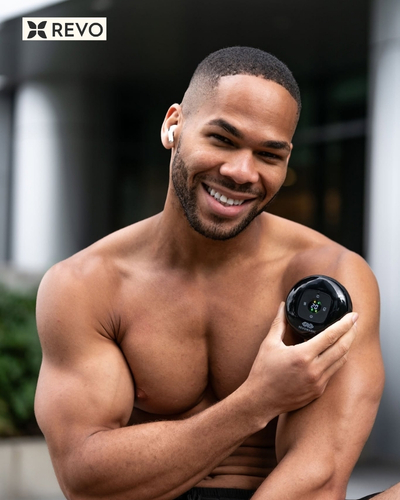
RevoMatic fits into this approach by focusing on convenient recovery equipment that can be incorporated into home routines. The key is to use such products as one part of a broader approach that includes movement, rest, hydration, sleep, and sensible physical activity.
Ultimately, better recovery is not about finding one perfect solution. It is about understanding your routine, recognising when your body needs a break, and choosing practical habits that you can maintain. Whether you are an active fitness enthusiast or simply looking for more comfort after a demanding day, a thoughtful recovery routine can make self-care easier to manage.