
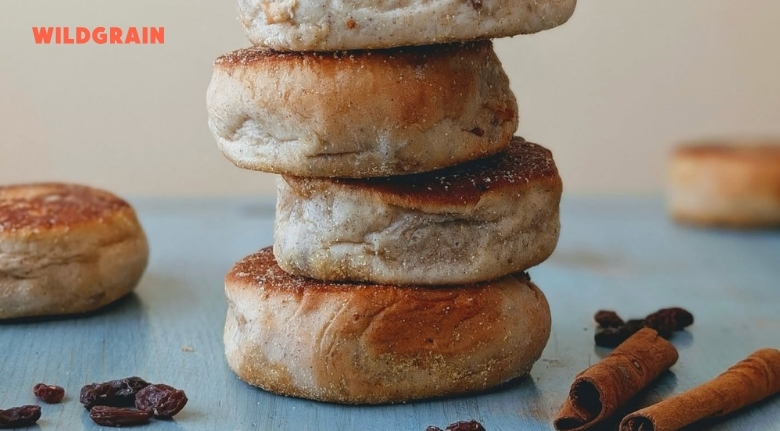
A well-organized freezer can make everyday cooking much easier. Instead of relying on last-minute takeout or making an extra trip to the supermarket, households can keep useful ingredients ready for the moments when schedules become unpredictable. A thoughtfully stocked freezer is not about filling every shelf. It is about choosing foods that can be stored well, used in different meals, and prepared without unnecessary effort.
This approach is especially useful for people who want home-cooked meals but do not always have time for complicated preparation. Bread, pasta, pastries, vegetables, sauces, and other staples can form the foundation of quick breakfasts, lunches, dinners, and snacks. The key is knowing what to keep available and how to organize everything so that ingredients are easy to find when you need them.
Start With Versatile Staples
The most useful freezer foods are ingredients that can work across several meals. A loaf of bread can become breakfast toast, a sandwich, or an accompaniment to soup. Pasta can turn into a quick dinner with vegetables and a simple sauce, while pastries can make an ordinary morning feel more relaxed.
Wildgrain focuses on frozen breads, fresh pasta, pastries, and other bake-at-home foods that can be kept available until they are needed. This makes it easier to avoid buying large amounts of fresh bakery food at once and gives households more flexibility when deciding what to serve. Instead of planning every meal days ahead, you can keep versatile options ready and choose based on your schedule.
When choosing freezer staples, think about how often you will actually use them. A food may look convenient, but if it only works in one recipe, it can remain untouched for months. Prioritize ingredients that can be combined with what you already have in the refrigerator or pantry.
Organize the Freezer by Purpose
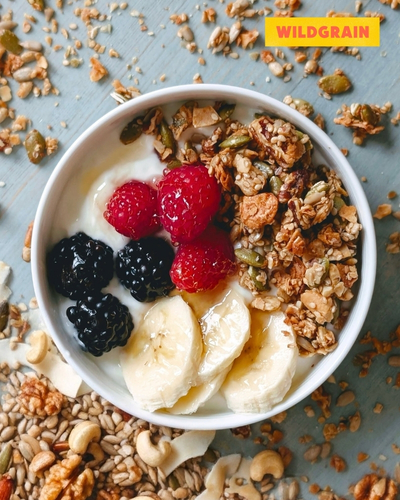
A freezer becomes much more useful when everything has a logical place. Rather than placing items wherever there is room, create simple sections for breakfast foods, baking items, vegetables, proteins, prepared meals, and ingredients. This reduces the time spent searching and helps prevent older foods from being forgotten.
With Wildgrain products, keeping breads and pastries together can make it easier to identify what is available for breakfast or snacks. Pasta and other meal components can have a separate area so that dinner ingredients are easy to locate. If your freezer is small, use containers or reusable bags to create compact groups instead of allowing loose packages to take over the available space.
Labels can also help. Write the name and date on homemade frozen foods, especially when storing leftovers. A simple first-in, first-out system can encourage you to use older items before newer ones. Organization may sound like a small detail, but it can make the difference between a freezer that saves time and one that creates more work.
Plan Around Your Busiest Days
Not every day requires the same amount of preparation. Some evenings may leave plenty of time for cooking, while others may involve work deadlines, school activities, appointments, or unexpected changes. A flexible freezer strategy should focus on those busy periods rather than only the easy days.
Wildgrain can fit into this approach by allowing certain foods to remain frozen until you are ready to bake or prepare them. Having these options available means a late evening does not automatically require abandoning a meal plan. You can combine a convenient freezer item with ingredients that need little preparation, such as salad greens, eggs, roasted vegetables, or a simple soup.
Try identifying the two or three busiest days of your week. Stock enough dependable foods to create quick meals on those days. On quieter evenings, you can cook from scratch or prepare extra portions for later. This creates a rhythm in which the freezer supports your schedule instead of dictating it.
Make Breakfast Easier
Breakfast is often the meal people skip when mornings become rushed. Preparing something satisfying does not have to involve a complicated recipe, especially when a few useful items are already available. Toast, eggs, fruit, yogurt, and pastries can create several combinations without requiring much cooking.
Wildgrain offers breads and pastries that can be baked at home, giving you the option to enjoy warm bakery-style food without making dough from scratch. A freshly baked loaf can be served with eggs or avocado, while a pastry can work alongside fruit and yogurt for a simpler morning. Having choices in the freezer can also reduce the temptation to rely on the same breakfast every day.
A little preparation the night before can make mornings smoother. Set out plates, prepare coffee equipment, wash fruit, or portion toppings in advance. These small actions reduce the number of decisions required when you are trying to leave the house on time.
Create Quick Dinners From Simple Combinations
A freezer works best when it supports simple meal building rather than complicated recipes. Choose one main component, add vegetables, include a flavorful sauce or seasoning, and finish with something fresh. This formula can create many different dinners without requiring an extensive ingredient list.
Wildgrain includes fresh pasta and other options that can serve as a convenient starting point for dinner. Pasta can be combined with tomato sauce, pesto, vegetables, cheese, herbs, or a protein depending on what is already available. A good loaf of bread can also accompany soup, salad, roasted vegetables, or a simple main course.
Keeping sauces and vegetables available can make these combinations even faster. Frozen vegetables are particularly useful because they require little preparation and can be portioned as needed. The goal is not to eliminate cooking but to remove unnecessary steps so that preparing dinner feels manageable even after a long day.
Keep Convenience Without Losing Variety
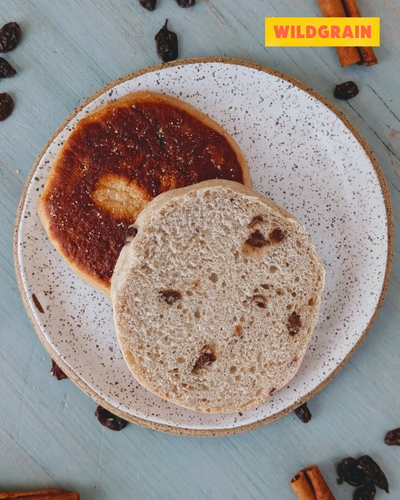
A freezer should make life easier, but convenience should not mean eating exactly the same thing every week. Variety can come from changing toppings, sauces, side dishes, and serving styles. The same basic ingredient can feel completely different when combined with seasonal produce or a new flavor profile.
Wildgrain provides a selection that can be used across different occasions, from breakfast and brunch to quick dinners and snacks. Rather than treating each product as a complete meal, think of it as one building block in a larger menu. This gives you more freedom to adapt what you have to your household’s preferences.
Review your freezer every few weeks and notice which foods disappear quickly and which remain untouched. Buy more of the useful staples and reduce purchases that do not fit your routine. This simple feedback loop can help you spend more intentionally and avoid unnecessary food waste.
A well-planned freezer is ultimately less about storing large quantities and more about creating reliable choices. When versatile foods are organized and easy to access, busy days become easier to manage. You can make breakfast without rushing, assemble dinner without starting from zero, and still leave room for spontaneous meals when plans change.
The right combination of frozen staples, fresh produce, and pantry ingredients can make everyday cooking feel less demanding. A flexible system also means you do not have to follow a strict weekly menu. You can adjust meals according to your schedule, appetite, and whatever ingredients need to be used first.
Wildgrain can be one part of that strategy, particularly for households that appreciate bake-at-home breads, pasta, and pastries while wanting the flexibility of frozen storage. Combined with fresh produce, pantry basics, and a little organization, these foods can support a practical approach to everyday cooking.
The best freezer routine is one that reflects the way you actually live. Stock it with foods your household enjoys, organize them so they are easy to find, and keep enough variety to prevent meals from becoming repetitive. With a little planning, the freezer can become a useful kitchen tool rather than simply a place where forgotten food accumulates.