
Staying organised can feel difficult when work, studies, personal responsibilities and everyday tasks all compete for attention. A good planner can make things easier, but simply owning one does not automatically create better habits. The real difference comes from building a planning routine that is practical enough to use consistently.
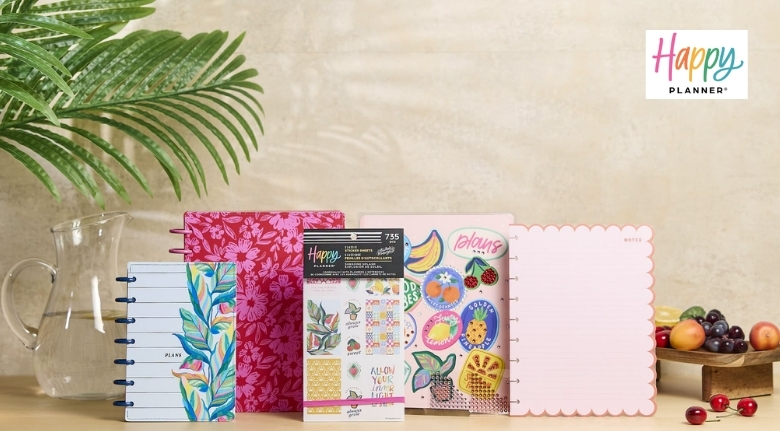
The Happy Planner offers customisable planners, notebooks, journals, stickers and accessories designed to make planning both functional and creative. Its planners are available in different layouts and formats, while accessories can be added to personalise the planning experience.
Instead of trying to organise your entire life in one sitting, start with a simple system. Once planning becomes part of your routine, you can gradually make it more detailed.
Start With a Weekly Planning Session
A weekly planning session can give you a clear picture of what is coming next.
Choose one consistent day and spend a few minutes reviewing appointments, deadlines, errands and personal commitments. The goal is not to fill every available space with tasks but to understand how your week is structured.
The Happy Planner provides different layouts, including vertical and horizontal formats, allowing users to choose a format that matches their planning style.
If you have a busy schedule, begin by adding fixed commitments first. Once those are visible, you can decide where flexible tasks fit.
This simple process can reduce the feeling of having too many things to remember at once.
Separate Important Tasks From Everything Else
Not every task deserves the same level of attention.
Some activities have strict deadlines, while others can be completed whenever you have spare time. Marking everything as equally urgent can make your planner feel overwhelming.
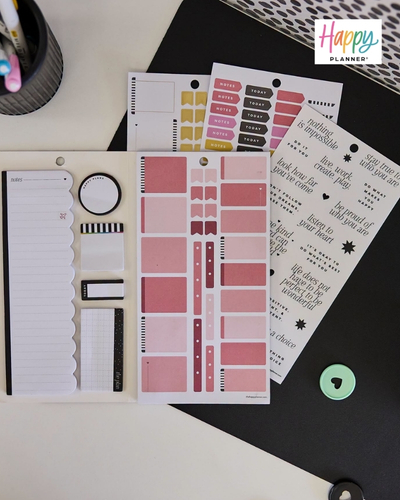
Use your Happy Planner to distinguish between priorities and optional tasks. You can use different symbols, handwriting styles or functional stickers to make important items easier to notice.
For example, deadlines and appointments can receive a clear visual marker, while smaller household tasks can remain more subtle.
The purpose is to create a system that helps you identify what deserves your attention first.
Choose a Layout That Matches Your Thinking
Different people organise information differently.
Some prefer seeing an entire week at once, while others like dividing each day into specific sections. The best layout is the one that makes information easy for you to understand.
The Happy Planner offers customisable options where users can select different covers, discs, layouts and specialty packs when building certain planners.
If you like detailed scheduling, a layout with plenty of writing space may be helpful.
If you prefer a simple overview, a less structured format may feel more natural.
Experiment until you find a layout that makes planning easier rather than more complicated.
Use Stickers for More Than Decoration
Stickers can make a planner visually appealing, but they can also serve a practical purpose.
The Happy Planner offers functional stickers for areas such as productivity, budgeting, fitness, meal planning and everyday reminders.
Use specific symbols to create visual shortcuts.
For example, one type of sticker could represent appointments, another could indicate important deadlines, and another could mark personal activities.
This can make your planner easier to scan quickly.
Decorative stickers can still be included, of course. The best planning system can combine organisation with creativity.
Keep Daily Tasks Realistic
One common planning mistake is adding too many tasks to a single day.
A long list may look productive, but it can become discouraging when half of it remains unfinished.
Instead, choose a small number of important tasks for each day.
The Happy Planner can help you organise these tasks visually, making it easier to see whether your schedule is realistic.
Leave some space for unexpected responsibilities.
A flexible schedule is usually more sustainable than one that assumes every hour will go exactly according to plan.
Create Monthly Goals
Daily tasks help you manage the present, but monthly goals can keep you focused on the bigger picture.
At the beginning of each month, choose a few realistic objectives.
These could involve work, studies, fitness, finances, hobbies or personal development.
Write them somewhere visible in your planner.
Then break larger goals into smaller actions.
For example, instead of writing “improve fitness,” create specific tasks such as scheduling workouts, preparing meals or tracking activity.
Turning broad goals into smaller actions makes them easier to manage.
Make Room for Personal Life
Planning should not be limited to work and responsibilities.
Your planner can also include activities that make your life enjoyable.
Schedule time for hobbies, friends, family, reading, exercise or simply relaxing.
The Happy Planner is designed to combine organisation with creativity, making it suitable for both practical planning and personal expression.
If your planner contains only deadlines and chores, it can start to feel like another source of pressure.
Including enjoyable activities creates a more balanced view of your time.
Use a Meal-Planning Section
Meal planning can reduce daily decision-making.
Instead of wondering what to prepare every evening, plan several meals in advance.
The Happy Planner offers meal-related stickers and planning accessories that can help organise recipes, groceries and food-related tasks.
You can create a simple weekly meal schedule and add a corresponding shopping list.
This can also help reduce unnecessary grocery purchases because you have a clearer idea of what you actually need.
The system does not need to be complicated.
Even planning a few meals ahead can make busy weeks easier.
Track Your Spending
A planner can also support basic financial organisation.
Create a simple section for upcoming bills, spending goals or savings targets.
The Happy Planner offers planning themes and stickers related to budgeting and financial organisation.
You do not need to record every tiny detail if that becomes difficult to maintain.
Instead, focus on information that helps you make better decisions.
For example, you might track monthly subscriptions, planned purchases and savings contributions.
A visual overview can make financial habits easier to understand.
Plan Around Your Energy Levels
Not every hour of the day is equally productive.
Some people concentrate better in the morning, while others become more focused later in the day.
Pay attention to your own patterns.
Place demanding tasks during periods when you normally have more energy.
Use lower-energy periods for routine activities.
Your planner can help you see whether your schedule reflects your natural rhythm.
This approach is often more realistic than trying to follow an identical productivity routine every day.
Create a Simple Morning Routine
A morning routine can provide structure before the day becomes busy.
Start by checking your planner and identifying your most important tasks.
Avoid creating an enormous morning checklist.
Instead, choose a few actions that help you start the day positively.
You might review appointments, check your priorities and prepare the materials you need.
Once the routine becomes familiar, it can take only a few minutes.
The purpose is to begin the day with clarity rather than immediately reacting to notifications and messages.
End the Day With a Quick Review
A short evening review can help you prepare for tomorrow.
Look at what you completed and move unfinished tasks to another suitable day.
Do not treat unfinished tasks as failures.
Sometimes priorities change or unexpected events take up your time.
The Happy Planner can provide a visual record of what happened during the day, helping you recognise patterns in your schedule.
Ask yourself what worked, what did not and what needs attention tomorrow.
This creates a simple feedback loop that can improve your planning over time.
Use Accessories to Personalise Your System
A planner should fit your lifestyle.
The Happy Planner offers accessories such as dashboards, filler paper, tabs, note paper and storage options that can be added to customise your setup.
Use accessories only when they solve a real problem.
For example, additional note paper can be useful if you regularly need space for brainstorming.
Tabs can make different sections easier to find.
A pen pouch can keep writing tools together.
Personalisation works best when it improves functionality rather than simply adding more items.
Keep Important Information Together
A planner can become a central place for information you frequently need.
Depending on your preferences, you might keep contact reminders, project notes, shopping lists, important dates or recurring tasks in dedicated sections.
Use tabs or dividers to separate different categories.
The Happy Planner’s range of accessories allows users to build a customised planning system rather than relying on one fixed format.
Keeping information organised can reduce the time spent searching through notebooks, phone apps and loose pieces of paper.
Build a Study Planning System
Students can use planning to manage classes, assignments and revision.
Start by recording important academic dates.
Then break larger assignments into smaller milestones.
Instead of writing “finish project” on one date, schedule research, drafting, editing and final review separately.
The Happy Planner offers academic-oriented planner and sticker themes, including student-focused options.
This approach makes large assignments feel more manageable.
You can also create dedicated sections for examination schedules and study goals.
Plan Work Projects in Smaller Steps
Large professional projects can become overwhelming when they are treated as one enormous task.
Break them into stages.
For example, a marketing project might include research, planning, content creation, review and publication.
Add each stage to your planner with realistic deadlines.
Use functional stickers or visual markers to distinguish project-related tasks.
This allows you to see progress instead of simply waiting for the final deadline.
Small milestones also make it easier to identify delays early.
Create a Habit Tracker
Habits become easier to monitor when progress is visible.
Choose a few habits you genuinely want to maintain.
These might include drinking enough water, exercising, reading, practising a skill or maintaining a regular bedtime.
Avoid tracking too many habits at once.
The goal is to create a system that you will actually use.
The Happy Planner offers productivity and wellness-related sticker themes that can complement habit tracking.
A simple checkmark each day can provide enough motivation without making the process complicated.
Use Colour Strategically
Colour can make your planner easier to understand.
Assign different colours to broad categories such as work, personal commitments, finances and health.
However, avoid using too many colours.
If every task has a different colour, the system can become confusing.
Choose a small colour palette and keep the meanings consistent.
The Happy Planner’s decorative and functional accessories provide many opportunities to create a visually organised planning system.
A good colour system should help you read your planner faster.
Leave Space for Unexpected Events
No schedule is completely predictable.
Appointments can run late, urgent tasks can appear and plans can change.
Leave some open space in your weekly schedule.
This makes your planning system more flexible.
If every minute is already assigned, one unexpected event can disrupt the entire day.
A planner should help you adapt, not make you feel trapped by your schedule.
Build flexibility into your routine from the beginning.
Review Your Planner Every Week
A weekly review can reveal patterns you might otherwise miss.
Perhaps you regularly underestimate how long certain tasks take.
Maybe you schedule too many activities on particular days.
Or perhaps some recurring responsibilities could be moved to quieter periods.
Use your Happy Planner as a record of your actual routine.
Then make adjustments based on what you observe.
Planning becomes more useful when it evolves with your life.
Refresh Your System When Needed
Your planning style does not have to remain the same forever.
Your priorities can change when you start a new job, enter a new semester, move to a different routine or take on additional responsibilities.
The Happy Planner’s customisable approach makes it possible to modify parts of your planning system over time.
If your current system feels difficult to maintain, simplify it.
Remove sections you never use.
Add space where you need it.
A planning system should adapt to you rather than forcing you to adapt to it.
Take Advantage of Seasonal Offers
Planning products are often available in different collections, themes and seasonal designs.
The Happy Planner currently features various collections, planner ranges and accessories, with promotional offers appearing across selected products.
If you are planning to purchase new supplies, check current promotions first.
For example, the brand currently highlights discounts on selected sticker products.
However, avoid buying unnecessary products simply because they are discounted.
Choose items that genuinely support the planning system you already use.
Keep Your Planner Enjoyable
Organisation does not have to be boring.
Adding creative elements can make you more interested in opening your planner every day.
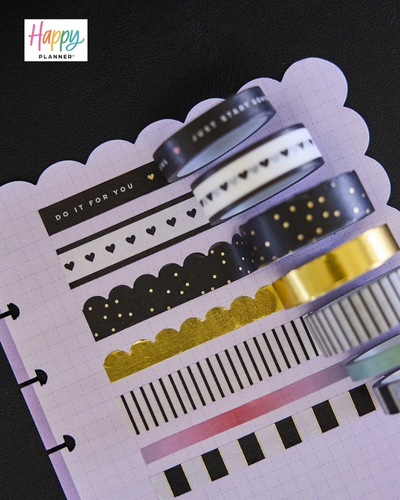
Decorative stickers, colourful layouts, themed accessories and handwritten notes can give your planning routine a more personal feel.
The Happy Planner was built around the idea of combining organisation with creativity, and its product range reflects that approach.
Use creativity as motivation, but do not let decoration become so complicated that it takes longer than the actual planning.
Your system should remain enjoyable and practical.
Avoid Planning Everything
One of the biggest mistakes is trying to control every detail.
Some activities can remain spontaneous.
Leave room for unexpected opportunities, relaxation and changes in plans.
The purpose of a planner is to create clarity, not to predict every minute of your future.
Use it to remember important commitments and guide your priorities.
Then allow yourself flexibility within that structure.
Make Planning a Long-Term Habit
The most effective planner is the one you actually use.
You do not need an elaborate routine.
Start with a weekly review, daily priorities and a few important goals.
Once those habits become natural, add additional sections such as budgeting, meal planning, habit tracking or project management.
The Happy Planner offers customisable formats and accessories, allowing your system to grow as your needs change.
Consistency matters more than complexity.
A simple system used regularly can be much more effective than an impressive system that sits unused.
Final Thoughts
Planning is not about making every day perfect.
It is about creating a clearer picture of your responsibilities, goals and available time.
The Happy Planner offers a flexible way to combine scheduling, organisation and creativity through customisable planners, stickers, notebooks and accessories.
Start small.
Choose a layout that feels natural, organise your priorities, leave space for unexpected events and review your progress regularly.
Use stickers and accessories when they make your system more useful, and keep your routine flexible enough to adapt when life changes.
With a little consistency, planning can become more than a way to record appointments. It can become a practical daily habit that helps you stay organised, focus on what matters and make more intentional use of your time.