
The Evolution of Fitness Equipment for Modern Living
Fitness equipment has changed significantly as technology becomes more integrated into everyday life. Traditional treadmills were often large, heavy machines designed primarily for gyms or dedicated exercise rooms. Today, many consumers prefer equipment that combines practical performance with compact dimensions and convenient controls. This shift reflects changing living arrangements, particularly among people who work remotely, live in apartments, or share multipurpose spaces. Modern exercise machines increasingly incorporate digital displays, adjustable settings, and innovative storage mechanisms. These developments make it possible to explore different approaches to indoor fitness while considering both personal activity requirements and available living space.
WalkingPad represents this evolution through its collection of compact walking machines and foldable treadmills. The brand develops products that combine space-saving engineering with features intended to simplify indoor movement. Its range includes under-desk walking pads, portable treadmills, and hybrid models capable of supporting walking and running. Certain machines feature automatic speed adjustment, digital activity displays, and remote operation. These capabilities provide alternatives to conventional treadmill designs while maintaining a focus on practical home use. By exploring different models, customers can identify equipment that aligns with their preferred exercise intensity, available space, and everyday fitness habits.
Understand the Technology Behind Foldable Treadmills
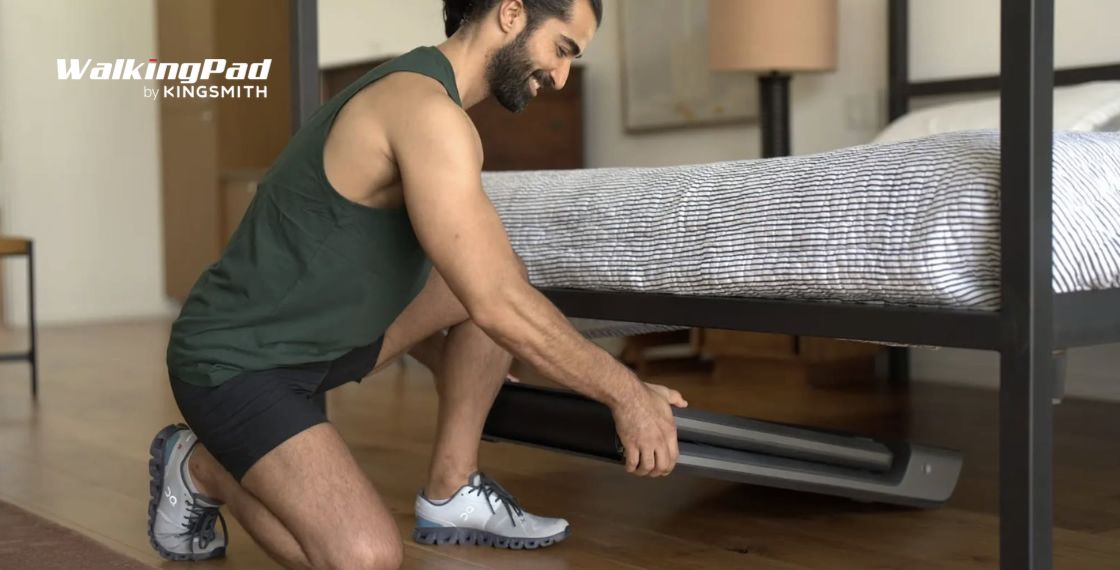
One of the most noticeable innovations in modern home fitness equipment is the development of folding treadmill structures. Conventional machines typically require a permanent area for installation, which can be inconvenient in smaller homes. Foldable designs aim to reduce this limitation by allowing the equipment to occupy less space between exercise sessions. However, folding mechanisms vary considerably, and not every machine offers identical portability or storage options. Customers should examine the overall dimensions, weight, and manufacturer’s storage instructions before purchasing. Understanding these details helps ensure that a treadmill can be used safely and stored without creating unnecessary obstacles.
The WalkingPad product range includes models featuring innovative folding mechanisms designed for compact storage. Machines such as the C2 and A1 Pro use folding structures that reduce their storage footprint, while other models incorporate different configurations. Some products include wheels to assist with movement across suitable floor surfaces. These features can be particularly useful in apartments, home offices, and rooms serving multiple purposes. Nevertheless, users should verify whether a specific model supports horizontal or upright storage, as requirements differ. Selecting equipment with appropriate dimensions and a suitable folding system can help create a more organised home fitness environment.
Discover Automatic Speed Control and Intelligent Features
Adjusting treadmill speed is an important part of maintaining a comfortable exercise experience. Traditional machines generally rely on physical buttons or control panels, requiring users to make manual changes during workouts. Newer technologies introduce alternative methods that may simplify these adjustments. Automatic speed control systems can respond to movement patterns or the user’s position on the walking surface. However, such systems require familiarity and should be used according to the manufacturer’s instructions. Beginners should start at low speeds and understand how to stop the machine safely before exploring advanced features. Convenient technology is most useful when combined with responsible operating habits.
Selected WalkingPad models incorporate FootSense technology, which adjusts walking speed according to the user’s position on the treadmill belt. Compatible machines can respond when the user moves towards different areas of the walking surface, allowing speed changes without continuous manual input. Other models provide remote controls or application-based features for managing workouts. Digital displays may show information such as elapsed time, speed, distance, and estimated calorie expenditure. Since functionality varies across products, customers should examine individual specifications carefully. Understanding these controls can help users select a machine that suits their preferences while maintaining appropriate attention to safety.
Compare Walking Pads with Traditional Running Treadmills
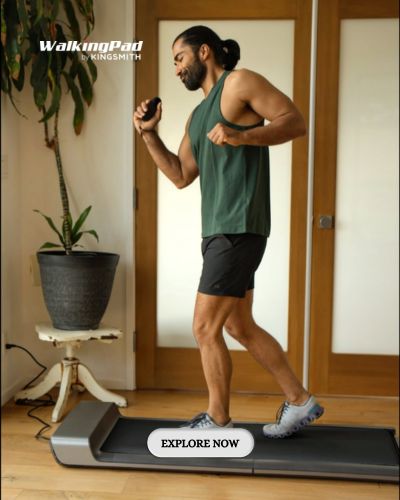
Walking pads and running treadmills serve different purposes, even though both use motorised belts to support indoor movement. Walking-focused machines generally prioritise compact dimensions and controlled speeds, making them suitable for gentle exercise and selected desk-based activities. Running treadmills usually require larger walking surfaces, higher maximum speeds, and additional structural support. Some hybrid models attempt to combine these functions, offering greater versatility for users who enjoy different exercise intensities. Choosing between these categories requires considering available space, fitness goals, comfort, and expected frequency of use. The most expensive or feature-rich machine is not necessarily the most appropriate option.
With WalkingPad, customers can explore compact walking machines alongside hybrid treadmills such as the R2 Walk&Run and X21. Walking-focused models may suit individuals interested in light indoor movement, while hybrid designs provide additional speed capabilities for jogging or running. Some machines include handrails or other support features intended for specific operating modes. Before making a purchase, users should compare maximum speeds, belt dimensions, weight capacities, and safety instructions. It is also important to consider whether the equipment will be used beneath a desk or in a dedicated exercise area. Matching product capabilities to actual requirements helps support a more comfortable experience.
Explore the Role of Digital Tracking in Fitness Motivation
Tracking physical activity can help individuals understand their exercise habits and establish achievable goals. Basic information such as walking duration, distance, and speed provides useful reference points for monitoring consistency. Some people find that reviewing these measurements encourages regular movement, while others prefer exercising without focusing heavily on numerical targets. The most effective approach depends on personal preferences and fitness objectives. It is important to remember that calorie estimates and other automatically calculated values are approximations rather than precise measurements. Digital information should support healthy habits without creating unrealistic expectations or unnecessary pressure.
Certain WalkingPad treadmills provide digital displays and compatible application features that allow users to review selected workout information. Depending on the model, customers may be able to monitor time, distance, speed, and estimated calories. These features can help users organise exercise sessions and observe changes in their routines. However, application compatibility and available tracking functions differ across devices and product generations. Buyers should confirm current software requirements and supported features before purchasing. Combining simple progress monitoring with realistic goals can help maintain motivation while keeping the focus on regular, enjoyable physical activity.
Choose the Right Smart Treadmill for Your Lifestyle
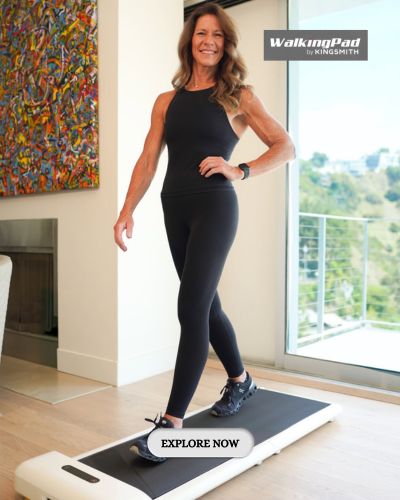
Selecting a home treadmill requires balancing technological features with practical considerations. Customers should begin by measuring their available exercise area and determining whether the equipment needs to be stored between sessions. Next, they should consider the intended activity, including gentle walking, brisk movement, or running. Important specifications include maximum user weight, operating speed, belt dimensions, noise considerations, and electrical requirements. Warranty coverage, maintenance instructions, and customer support availability also deserve attention. Evaluating these factors helps prevent purchases based solely on appearance or advertising claims. A carefully selected machine should fit comfortably into both the physical environment and the user’s routine.
Exploring WalkingPad provides access to different treadmill designs that combine compact engineering with modern control features. The collection includes walking-focused products, folding machines, and hybrid models with varying capabilities. Customers can compare specifications to identify options that suit their space, budget, and preferred activity level. Before ordering, it is advisable to review product dimensions, delivery conditions, warranty terms, and safety recommendations. Smart technology can make indoor exercise more convenient, but long-term value ultimately depends on choosing suitable equipment and using it consistently. With thoughtful planning, a compact treadmill can become a practical part of a flexible and sustainable fitness routine.