
A camera drone can change the way you capture travel memories, outdoor adventures and creative projects. Instead of recording everything from ground level, you can explore new perspectives, follow moving subjects and create cinematic footage from above. However, choosing the right drone requires more thought than simply selecting the model with the highest price or the most advanced specifications.
Different drones are designed for different types of users. Beginners may need a lightweight model with simple controls and helpful safety features, while experienced creators may prefer advanced cameras, longer flight times and greater control over movement. Some travellers want a compact drone that fits easily into a backpack, whereas professional filmmakers may require higher image quality and more flexible shooting options.
DJI offers several drone series, including Mini, Air, Mavic, Flip, Neo and Avata models. Each series has different strengths, making it easier to find a device that matches your experience, budget and creative goals. By understanding the main features, you can make a more informed choice and build a setup that supports your projects for a long time.
Define Your Main Purpose Before Choosing a Drone
The first step is to decide how you plan to use the drone. Your intended purpose will influence the camera quality, size, flight performance and accessories you need.
If you want to record holidays, family gatherings or outdoor walks, a compact drone may be sufficient. A lightweight model can be easier to carry and quicker to prepare when you discover an interesting location. Travellers may also appreciate foldable designs because they take up less space in luggage.
Content creators who produce videos for social media may need features such as subject tracking, vertical shooting and simple automated flight modes. These functions can help capture engaging footage without requiring advanced piloting skills. A drone with a stabilised camera can also make moving shots look smoother and more professional.
For more demanding projects, camera quality becomes increasingly important. Filmmakers, photographers and commercial creators may need larger sensors, multiple focal lengths, higher video resolutions and more manual control. In this situation, an advanced Air or Mavic model may be more suitable than an entry-level drone.
DJI’s range includes beginner-friendly options as well as professional camera drones and immersive FPV models. Before comparing products, write down the type of footage you want to create, how often you will fly and where you expect to use the drone. These details will help you narrow the selection.
Choose the Right Size and Weight
Drone size affects portability, stability, battery use and the type of environments where the device can be used comfortably. A small drone is convenient for travel, but a larger model may offer stronger performance in challenging conditions.
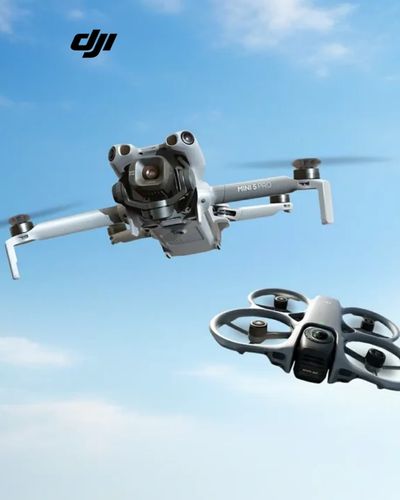
Mini drones are designed for portability and are often suitable for travellers, beginners and casual creators. Models in this category can be easier to carry during hikes, city trips and outdoor activities. Their compact design allows users to keep the drone ready without carrying a large case or heavy equipment.
Foldable drones offer another practical advantage. The arms and propellers can be folded for transport and opened when it is time to fly. This design is useful for people who want a balance between portability and camera performance.
Larger drones may provide improved wind resistance, longer flight times and more advanced camera systems. They can be helpful for professional filming or outdoor projects where stable performance is important. However, they may require more preparation, storage space and experience.
Weight can also affect registration and operating requirements, depending on the country where you fly. In the United States, recreational pilots should review the current Federal Aviation Administration rules before operating a drone. Never assume that a small size removes every legal responsibility.
DJI offers compact Mini and Flip models, palm-sized Neo drones, and larger Air and Mavic options. Choosing the right size means finding a balance between portability, performance and the environments in which you will use the device.
Understand Camera Quality and Stabilisation
The camera is one of the most important parts of a drone because it determines the quality and flexibility of the footage. However, resolution is not the only factor that matters. Sensor size, stabilisation, colour performance, frame rates and lens options can all influence the final result.
Many modern camera drones can record 4K video, which is suitable for travel content, online videos and personal projects. Some advanced models offer higher resolutions and additional camera options for creators who need more detail or greater flexibility during editing.
A larger sensor can help capture more information, especially in difficult lighting conditions. This may be useful during sunrise, sunset, evening shoots or scenes with strong contrast. If you regularly film in changing light, pay attention to the camera’s sensor and dynamic range rather than focusing only on the maximum resolution.
A gimbal is another important feature. It helps keep the camera stable while the drone moves, reducing unwanted shaking and creating smoother footage. A flexible gimbal can also support vertical shooting, which is useful for short-form content designed for mobile screens.
Some DJI models include intelligent tracking and automated shooting modes. These features can help the drone follow a person, vehicle or other subject while maintaining a suitable composition. They are useful for creators who want dynamic footage without controlling every movement manually.
Before choosing a drone, consider where your videos will be published and how much editing you plan to do. A casual user may not need professional recording formats, while a filmmaker may benefit from greater control over image quality and colour.
Compare Flight Time, Safety and Controls
Flight time determines how long you can use the drone before changing or recharging the battery. The advertised maximum flight time is measured under controlled conditions, so real-world results may vary depending on wind, temperature, movement and flight style.
If you plan to record longer scenes, additional batteries can be useful. A charging hub may also make it easier to prepare several batteries before a trip. However, extra batteries add weight and cost, so consider how much equipment you are comfortable carrying.
Safety features are equally important. Beginners may benefit from GPS stabilisation, automatic return-to-home functions, obstacle sensing and simple take-off and landing controls. These features do not replace responsible flying, but they can provide additional support during normal operation.
Obstacle sensing can help detect objects in the drone’s path, although it may not work equally well in every direction, lighting condition or environment. Pilots should always maintain awareness of the surroundings and avoid relying entirely on automated systems.
The controller also affects the flying experience. Some drones use traditional remote controls, while others support motion-based controls or simplified operation. FPV drones provide a more immersive perspective, but they may require additional practice and equipment.
DJI offers different control options across its product range. When comparing models, check the controller included in the package, the supported transmission system and the availability of replacement accessories. A package that includes extra batteries and a suitable controller may offer more practical value than a basic drone-only bundle.
Select Features That Match Your Content Style
Modern drones include many intelligent features, but not every user needs all of them. The most useful functions are those that support your specific style of content.
For travel videos, automated flight paths, subject tracking and panorama modes can help capture attractive footage with less manual effort. A compact drone with vertical shooting may be especially useful for social media creators who publish short videos regularly.
For sports and outdoor content, strong tracking performance and responsive controls can be important. FPV drones may appeal to users who want fast movement, close passes and an immersive flying experience. These drones require additional awareness and practice, particularly in complex environments.
For professional filming, advanced camera settings, multiple lenses and precise movement controls may be more valuable than automated modes. A larger drone can provide greater flexibility for planned productions, especially when working with a team or using additional filming equipment.
Storage is another consideration. High-resolution video files can occupy a large amount of space, so check the drone’s storage options and use memory cards that meet the required speed specifications. Organise footage after every filming session to avoid losing important files.
DJI’s product range includes drones for vlogging, travel, professional aerial photography and FPV filming. Instead of paying for every available feature, identify the functions that will improve your actual projects. This approach can make the buying decision clearer and keep the overall setup within your budget.
Prepare for Responsible and Creative Flying
Learning to fly safely is just as important as choosing the right drone. Before your first flight, read the user guide, charge the batteries fully and complete any required firmware updates. Practise in an open area where you can understand the controls without unnecessary obstacles.
Check the weather before flying. Most camera drones should not be used in rain, and strong wind can affect stability and battery performance. Avoid flying near crowds, airports, restricted areas and private property where permission may be required.
It is also important to understand local drone regulations. Rules may cover registration, operating height, visual line of sight, restricted locations and privacy. These requirements can vary by country and sometimes by region, so review the official guidance that applies to your location.
Creative planning can improve the quality of your footage. Think about the light, background, movement and story before taking off. Instead of recording randomly, decide whether you want a wide establishing shot, a slow reveal, a tracking sequence or a top-down composition.
After filming, organise your files and create backups. Keep the original footage until the final project is complete, and label clips according to the location or date. This simple habit can save time during editing.
DJI provides a broad selection of camera drones, accessories and support resources for different levels of experience. With careful research, responsible flying and regular practice, you can choose a drone that helps you explore new creative possibilities without making the process unnecessarily complicated.