
For designers, having strong skills is only part of building a successful career. The other challenge is making sure the right people can actually see those skills. A polished portfolio can open doors to freelance projects, agency work, full-time opportunities and valuable creative connections. But creating a portfolio that communicates your abilities clearly takes more than simply uploading finished designs.
Dribbble gives designers a dedicated space to showcase creative work, build a professional presence and connect with potential clients. Its community covers areas ranging from UI/UX and web design to branding, illustration, animation and product design. For businesses, the platform also provides access to designers and agencies offering professional creative services.
Create a Portfolio That Shows Your Real Design Strengths
A portfolio should quickly communicate what you are good at. Instead of filling a profile with every project you have ever completed, it is usually more effective to highlight work that represents your strongest skills and the type of projects you want to attract.
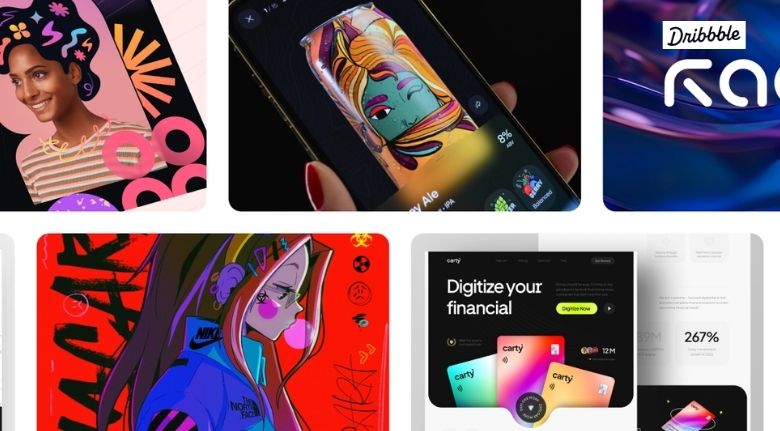
Dribbble allows creatives to share individual pieces of work, commonly known as Shots, giving visitors an immediate visual impression of their abilities. Designers can showcase interfaces, illustrations, branding concepts, mobile experiences, dashboards, animations and many other forms of creative work. This visual-first approach makes it easier for potential clients or employers to understand a designer’s style without reading through a lengthy résumé.
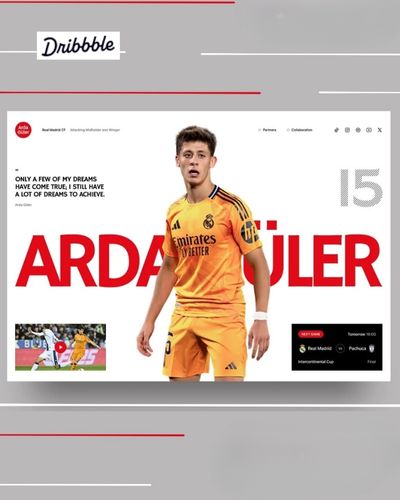
The quality of presentation also matters. A strong project should have a clear visual focus, sensible composition and enough context to explain what the designer was trying to achieve. When several projects are presented consistently, the portfolio begins to feel like a professional personal brand rather than a random collection of images.

Use Design Inspiration Without Losing Your Identity
One of the biggest advantages of being part of a creative community is exposure to different ideas. Designers can explore current work from professionals around the world and discover approaches to typography, colour, layout, animation, user interfaces and branding that they may not have considered before.
Dribbble’s discovery experience includes popular and new design work across areas such as dashboards, landing pages, mobile applications, ecommerce, animation and illustration. Browsing this type of work can be useful when starting a project, researching visual directions or simply looking for creative motivation.
However, inspiration should not become imitation. The strongest designers use references to understand why something works and then develop their own interpretation. A useful habit is to ask questions while exploring other work: Why does this layout feel balanced? How is the hierarchy created? What makes the colour palette effective? How does the interface guide attention?
This turns browsing into a learning exercise. Instead of simply saving attractive designs, you begin understanding the decisions behind them and gradually improve your own design thinking.
Make Your Profile Work Like a Professional Introduction
A designer’s profile can function as a first introduction to potential clients, recruiters and other professionals. That means every part of the profile should support the same message: what you do, what you are especially good at and what type of work you want.
Dribbble encourages designers to create profiles, showcase their work, offer services, send proposals and explore opportunities. The platform describes its community as a place where creatives can build their brands, grow their skills and find new projects.
A clear profile description can make a surprisingly big difference. Rather than using a vague statement such as “I’m a designer who loves creativity,” be specific about your expertise. Mention whether you focus on product design, UI/UX, branding, illustration, web design or another area.
It is also useful to keep your strongest work visible. If your goal is to attract SaaS companies, for example, showing relevant dashboard, product and website projects gives potential clients a clearer reason to contact you. Your portfolio should make it easy for someone to imagine working with you.
Turn Creative Skills Into Freelance Opportunities
Finding clients is often one of the hardest parts of freelancing. A designer may have excellent skills but still struggle to find businesses that need those skills. A platform built around creative talent can help bring designers and potential clients into the same environment.
Dribbble currently allows businesses to browse designers, filter talent by areas such as UI/UX, branding, web, motion and graphic design, and contact suitable professionals. Businesses can also create project briefs and receive proposals.
For designers, this creates an opportunity to move beyond simply displaying work. A well-presented profile can become a starting point for professional conversations. Service offerings can also help potential clients understand exactly what a designer provides, whether that means logo design, website design, mobile app interfaces, branding or another specialised service.
Professionalism becomes especially important once a client shows interest. Clear communication, realistic timelines, defined deliverables and transparent pricing can help transform an initial conversation into a successful project. A beautiful portfolio attracts attention, but a reliable working process helps build long-term relationships.
Improve Your Portfolio Through Consistent Practice
You do not need decades of professional experience to start building an impressive portfolio. Personal projects can demonstrate creativity, problem-solving and curiosity, particularly when a designer is still developing professional experience.
Creating concepts for imaginary brands, redesigning an existing user experience as a personal exercise, experimenting with mobile interfaces or developing an original visual identity can all provide portfolio material. What matters is demonstrating thought and execution rather than simply producing attractive visuals.
Dribbble’s own design resources emphasise the value of focused portfolios and strong case studies. Its guidance suggests that designers should concentrate on selected projects instead of overwhelming visitors with too much work. Personal projects can also help newer designers demonstrate their interests and capabilities when they do not yet have extensive client experience.
Consistency is another important factor. Publishing one excellent project occasionally may help, but regularly practising and refining your work can create much stronger long-term progress. Each new project gives you an opportunity to experiment with a different visual system, solve a different problem or improve a technical skill.
Over time, this creates something more valuable than a collection of images: evidence of growth.
Build a Creative Career Around Your Strengths
A design career is rarely built from one perfect project. It develops through a combination of strong work, continuous learning, professional relationships and the ability to communicate your value. The internet has made it possible for designers to reach clients and companies far beyond their local area, but visibility still depends on how effectively you present yourself.
Dribbble brings portfolio showcasing, creative discovery, professional networking and hiring opportunities together in one design-focused environment. Designers can use it to share work and develop their personal brand, while businesses can explore creative talent and find professionals for freelance, contract or full-time projects.
The key is to treat your presence as an evolving professional asset. Keep your best work updated, experiment with new skills, pay attention to how experienced designers solve problems and make your profile communicate a clear speciality. If your interests change, your portfolio can change with them.
For businesses, the same principle applies from the other side. Rather than choosing a designer based only on an attractive image, reviewing their broader portfolio, specialisation, experience and communication style can make the hiring process more effective. Dribbble provides tools for discovering and comparing creative professionals while keeping the focus on actual design work.
In the end, great design is about solving problems creatively, not simply making things look attractive. A strong portfolio should therefore show both visual ability and an understanding of purpose. With consistent practice, thoughtful presentation and the right professional opportunities, designers can turn their creative skills into a sustainable career.
Dribbble can be a useful part of that journey by giving designers a place to showcase what they can do, learn from a global creative community and connect with people looking for design talent.