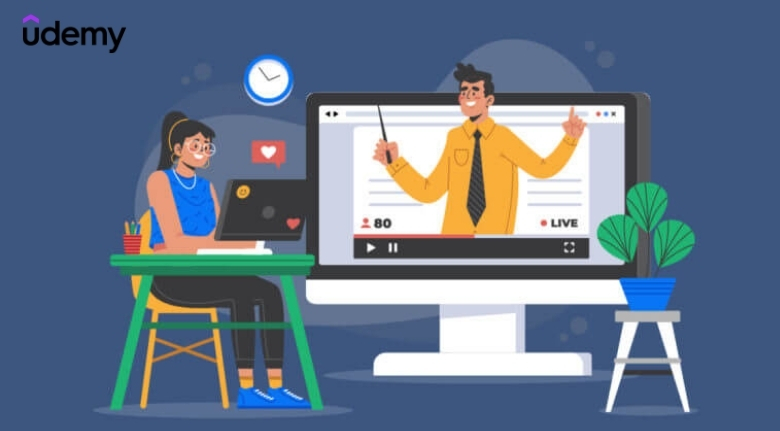
Learning from home has become one of the easiest ways for students and beginners to explore subjects beyond the classroom. A laptop, a stable internet connection, and a little consistency can open the door to skills that may support studies, personal projects, or future career plans. The challenge is not finding something to learn; it is choosing a useful skill and creating a routine that makes progress possible.
Online learning also gives beginners more flexibility than traditional classes. You can study before college, after work, or during a quiet weekend, and you can often revisit difficult lessons instead of rushing through them. Platforms such as Udemy bring courses on technology, business, creative work, languages, personal development, and many other subjects together, making it easier to explore different learning paths.
The key is to treat online education as an active process rather than background entertainment. Set a purpose before opening a lesson, write down questions as they appear, and spend a few minutes reviewing your notes afterward. Even simple habits can make information easier to remember. For beginners, this approach also builds confidence because each completed lesson and small project provides visible evidence that a new ability is becoming stronger with practice over time and confidence gradually.
Why Learning From Home Works for Beginners
One of the biggest advantages of home learning is flexibility. Beginners do not need to rearrange their entire schedule around a fixed classroom timetable. A student can dedicate thirty minutes to a lesson on a busy day and spend more time studying when the schedule is lighter. This makes learning easier to combine with college, family responsibilities, or other commitments.
Home learning can also reduce the pressure that some beginners feel in a traditional classroom. When a topic seems confusing, you can pause, replay a lesson, take notes, and try again. This creates a more personal learning pace. Udemy courses can be especially useful in this regard because learners can choose subjects according to their current interests and experience level.
Another benefit is experimentation. Beginners do not always know which career or skill area they will enjoy. Online courses make it possible to explore topics such as coding, graphic design, digital marketing, photography, Excel, communication, or entrepreneurship before committing to a longer academic program.
Choosing a Skill That Is Worth Learning
The best first skill is not necessarily the one that is currently trending. It should be something that matches your interests while offering practical opportunities to use what you learn. Students interested in business might explore spreadsheets, marketing, presentation skills, or data analysis. Someone who enjoys creative work could start with design, video editing, writing, or photography.
Think about the problems you would like to solve with your new ability. If you want to improve your academic work, choose a skill that can help with research, presentations, organization, or analysis. If your goal is future employment, look at skills commonly requested in entry-level roles and compare them with your interests.
Udemy can help beginners explore different categories without requiring them to make a long-term decision immediately. Before enrolling, read the course description, review the curriculum, check the instructor information, and look at learner feedback where available. A course should have clear learning outcomes and content that matches your current level.
Creating a Simple Study Routine
Motivation can help you start learning, but a routine is what keeps you moving forward. Students often make the mistake of planning unrealistic study sessions and then feeling discouraged when they cannot maintain them. A better approach is to choose a manageable schedule, such as thirty to sixty minutes on several days each week.
Try connecting your study time with an existing habit. You might learn after breakfast, before dinner, or immediately after finishing college assignments. Keeping the same general time can reduce the effort required to decide when to study. Udemy makes this approach practical because learners can access course material according to their own schedules.
Your study environment also matters. A quiet desk, headphones, a notebook, and a distraction-free browser window can make a short session more productive. Turn off unnecessary notifications and keep your phone away when possible. The goal is not to create a perfect classroom at home, but to make focused learning easier.
Turning Lessons Into Practical Experience
Watching lessons is only the first stage of learning. Beginners understand a skill much more deeply when they use it. If you are learning Excel, build a simple budget or tracker. If you are studying design, create a few sample graphics. If you are learning coding, build a small project instead of only reading examples.
Projects also give you something concrete to evaluate. You can compare your first attempt with later work and identify where your skills have improved. Mistakes become useful because they show you exactly what needs more practice. Udemy courses can provide the knowledge and demonstrations, while personal projects turn that knowledge into experience.
Do not wait until you feel completely confident before creating something. Beginners often assume they need to finish an entire course before applying what they have learned. In reality, practice during the learning process can reveal which concepts you understand and which ones deserve another look.
Staying Motivated Without Feeling Overwhelmed
Progress can feel slow when you are learning something unfamiliar. A beginner may spend several sessions understanding a concept that an experienced person can complete quickly. This is normal. Comparing your progress with someone else’s can make learning unnecessarily frustrating.
Instead, set small goals that you can measure. Completing three lessons, finishing one project, practicing a skill for five hours, or explaining a concept in your own words are all useful milestones. Udemy learners can use course progress as one measure, but the more important question is whether you can actually apply what you studied.
It is also helpful to avoid starting too many courses at once. Having dozens of interesting options can create the illusion of progress while preventing you from finishing anything. Choose one main skill, give it enough attention to become useful, and then decide what you want to learn next.
Building a Long-Term Learning Habit
Learning from home becomes more valuable when it turns into a long-term habit rather than a short challenge. After completing a course, continue using the skill through projects, practice exercises, volunteer work, internships, freelance tasks, or personal experiments. The more often you use a skill, the easier it becomes to remember and improve.
Students can also keep a simple record of what they learn. Save completed projects, certificates, notes, and examples of your work in an organized folder. Over time, this collection can become useful when preparing a portfolio, updating a resume, applying for internships, or discussing skills during interviews. Udemy can be one part of that broader learning journey.
Most importantly, stay curious. Your first course does not need to determine your entire career. It can simply introduce you to a new subject and help you discover what you enjoy. With a realistic schedule, practical projects, and patience, learning from home can become a powerful way for students and beginners to build useful skills without putting their existing responsibilities aside.