

Electric bikes have changed the way people think about everyday transportation. What was once mainly associated with cycling enthusiasts has become a practical option for commuters, weekend explorers, families, and anyone looking for a more enjoyable way to get around. With electric assistance, riders can cover longer distances, handle hills more comfortably, and spend less effort on demanding routes.
However, choosing an e-bike is not simply about finding the model with the biggest motor or highest speed. Different riders have completely different needs. Someone commuting through a city may want a comfortable step-through design, while an outdoor enthusiast may prefer fat tires and full suspension. Qlife Bike offers several categories designed around different riding styles, making it easier to start with your lifestyle and work backwards toward the right bike.
Start With How You Plan to Ride
The first question to ask is simple: where will you actually use your electric bike? Your daily route can tell you more about the right model than a long list of technical specifications. Think about whether you will mainly ride on paved streets, bike paths, gravel, hills, trails, or a mixture of different surfaces.
For everyday city transportation, a commuter model can be a sensible choice. Qlife Bike’s Cityone Plus, for example, uses a step-through design intended to make mounting easier while offering a comfortable format for commuting, errands, and neighbourhood rides. The current model is listed with a 48V 15Ah battery, 1200W peak output, and a claimed range of up to 80 miles depending on riding conditions.
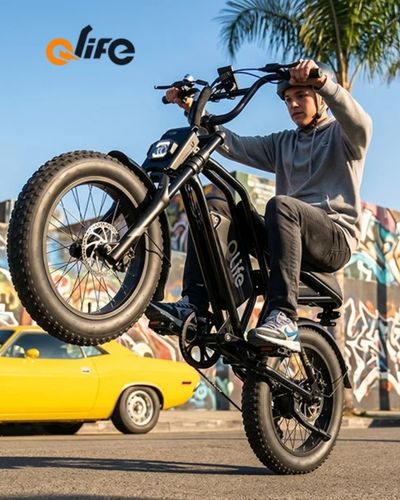
If your weekends involve gravel paths, grass, rough roads, or trails, a fat-tire model may be more appropriate. Wider tyres provide additional traction and a planted feel, making them attractive for riders who want greater versatility beyond smooth pavement.
The best approach is to think about your real routine rather than buying for an imaginary adventure. If 90% of your riding happens on city streets, a practical commuter bike may deliver more value than an oversized off-road model.
Match the Bike to Your Comfort
Comfort becomes increasingly important when rides become longer. A bike that feels fine for ten minutes around the neighbourhood may not feel equally comfortable after an hour. Your riding position, frame design, suspension, tyre size, and overall weight can all influence the experience.
Step-through frames are particularly useful for riders who prefer easier mounting and dismounting. They can be practical for frequent stops, commuting, shopping trips, and riders who simply do not want to swing a leg over a high top tube every time they get on the bike.
For rougher surfaces, suspension can make a noticeable difference. Qlife Bike offers full-suspension models designed to absorb bumps and improve comfort on uneven terrain. The Racer Ultra, for example, is positioned as an electric mountain bike with full suspension and 27.5-inch wheels, while several Racer models use wide fat tyres for additional grip.
Tyre width is another factor worth considering. Fat tyres can provide a more stable feeling on loose surfaces, but they also contribute to the overall size and weight of the bike. If you frequently carry your bike upstairs or store it in a small apartment, portability may be more important than maximum tyre width.
Think About Battery Range
Battery capacity is one of the most frequently discussed features when choosing an electric bike, but the advertised maximum range should not be treated as a guarantee. Real-world range depends on rider weight, terrain, speed, temperature, tyre pressure, assistance level, and how frequently you use the motor at maximum power.
Qlife Bike offers models with different battery configurations for different riding requirements. The Cityone Plus uses a 48V 15Ah battery, while models such as the Hunter Plus feature a 48V 20Ah battery and are designed for riders looking for additional capacity and utility.
When comparing batteries, consider your normal journey. If your commute is only a few miles each way, you may not need the largest battery available. On the other hand, riders planning long recreational trips may appreciate having more capacity available so they do not constantly worry about recharging.
Charging habits also matter. If you have easy access to a power outlet at home or work, a moderate battery may be perfectly adequate. If charging opportunities are limited, investing in greater capacity can provide additional flexibility.
Choose Between Folding, Fat-Tire and Three-Wheel Designs
Not every rider needs a conventional two-wheel electric bike. Alternative designs can solve specific everyday problems and may be better suited to particular lifestyles.
Folding electric bikes are useful for people who have limited storage space or frequently transport their bike in a vehicle. A folding frame can make storage easier in apartments, garages, RVs, or car trunks. Qlife Bike’s collection includes folding models designed around portability without completely sacrificing everyday performance.
Fat-tire bikes are better suited to riders who want versatility across different surfaces. The wide tyres found on models such as the Spark and Racer families are designed to provide additional traction and a stable riding experience. Current Qlife Bike listings include models with 20-inch by 4-inch fat tyres and different battery and motor configurations.
Then there are electric trikes. A three-wheel design can provide additional stability, especially at low speeds and when stopped. Qlife Bike’s Triker 2.0 and Triker Plus are folding three-wheel models intended for everyday riding and carrying practical loads.
Rather than asking which design is universally best, ask which one removes the biggest inconvenience from your routine.
Consider Performance and Terrain
Motor output becomes particularly relevant when your routes include steep hills, loose surfaces, or heavier loads. However, more power is not automatically better for every rider. A powerful motor can increase performance, but it may also contribute to greater weight and a more substantial overall bike.
Qlife Bike’s current lineup ranges from commuter-focused models to high-output fat-tire and dual-motor options. The Racer Max Dual Motor, for instance, is listed with a 3000W motor configuration, while the Spark Plus is listed with a 2200W peak motor and 52V 20Ah battery.
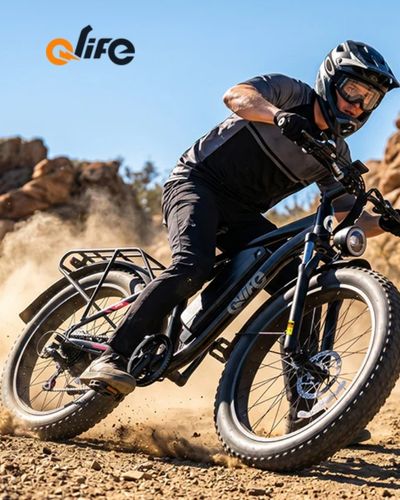
For trail riders, suspension and tyre configuration can be just as important as motor output. A balanced combination of traction, braking, suspension, and battery capacity can make a bike more enjoyable on challenging terrain.
If you primarily ride on paved roads, you may not need extreme off-road capability. A commuter or cruiser-style design could provide a lighter and more practical experience. For riders who regularly explore dirt paths and rougher surfaces, an all-terrain or mountain-oriented model may be worth considering.
Always check local regulations before riding a high-performance e-bike. Rules concerning speed, power, helmets, road access, and e-bike classifications vary by location.
Look Beyond the Bike Before Buying
The purchase price is important, but the overall ownership experience deserves equal attention. Consider shipping, warranty coverage, replacement parts, maintenance, storage, and customer support before making your decision.
Qlife Bike currently lists free shipping, 3–8 day delivery from its US warehouse, and a 365-day after-sales warranty. The company also provides user manuals, service videos, replacement policies, and customer support resources.
Current promotions can also make certain models more attractive. The Qlife Bike website currently features discounts across several categories, including commuter, fat-tire, folding, trike, and all-terrain models. Prices and promotional offers can change, so shoppers should check the current terms before purchasing.
Finally, think about maintenance. Keep tyres correctly inflated, inspect brakes regularly, look after the battery, and follow the manufacturer’s charging and storage recommendations. A little routine care can help keep an electric bike performing reliably for longer.
The right electric bike should fit naturally into your lifestyle. Commuters may benefit from a comfortable step-through model, adventure riders may prefer fat tyres and suspension, while people with limited storage can consider a folding design. Riders who value stability may find a three-wheel option more suitable.
Qlife Bike’s broad range makes it possible to approach the decision from the rider’s perspective rather than simply choosing from a single type of bicycle. By considering your terrain, distance, comfort, storage, battery needs, and budget first, you can narrow the selection much more confidently.
An electric bike can be more than a recreational purchase. It can become a practical part of your daily routine, a convenient alternative for short trips, or a way to make weekends more adventurous. The smartest choice is not necessarily the most powerful model—it is the one that makes the rides you actually want to take easier, more comfortable, and more enjoyable.