
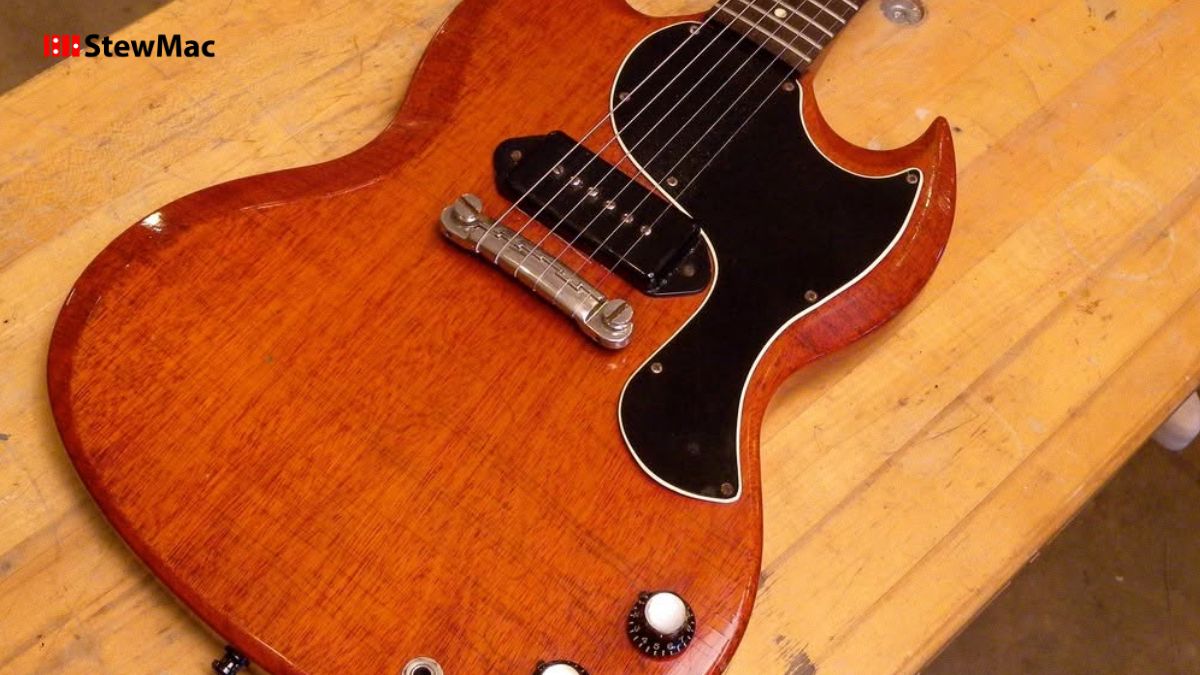
Owning a guitar is about much more than playing music. Over time, instruments need adjustments, cleaning, replacement parts, setup work, and occasional repairs. Strings wear out, hardware can loosen, frets may need attention, and electronics can develop small issues. For musicians who enjoy understanding their instruments, learning basic maintenance can also become a rewarding hobby.
A home guitar workspace does not need to look like a professional workshop. With a practical selection of tools, a suitable work surface, and a little organisation, players can handle many routine jobs with greater confidence. The important thing is to build the setup gradually instead of buying every tool at once.
StewMac is focused on tools, supplies, parts, electronics, kits, and resources for building and repairing stringed instruments. Its range covers everything from maintenance tools and fretwork equipment to guitar hardware, tonewoods, pickup components, wiring kits, and instrument-building projects.
Whether you are a guitarist interested in basic maintenance, a hobbyist experimenting with modifications, or someone learning more advanced instrument building, creating an organised workspace can make every project easier to approach.
Start With a Dedicated and Organised Workspace
The first step in building a useful guitar repair setup is choosing the right workspace. You do not necessarily need an entire room. A sturdy table or workbench with enough space to safely place the instrument can be enough for smaller maintenance projects.
Lighting is particularly important. Guitar repair often involves small components, measurements, screws, strings, fretwork, and electronic connections. Good visibility can make it easier to inspect the instrument and reduce the chance of overlooking small details.
Organisation matters just as much. Tools such as screwdrivers, files, cutters, gauges, rulers, clamps, and small hardware pieces can quickly become difficult to manage if they are simply placed on a table. Using trays, boxes, or dedicated storage areas can make it easier to find the right tool when needed.
A comfortable working position is also worth considering. If you spend a long time adjusting an instrument, constantly bending over a low table can become uncomfortable. A suitable workbench height and a stable way of supporting the guitar can make longer projects much easier.
StewMac offers a range of workbench-related products, including neck rests, workstations, body boards, and other accessories designed for instrument work. Its tool categories also include parts trays, jigs, fixtures, vises, and other equipment that can help organise a workshop.
Start small and improve the workspace as your skills develop. The goal is to create a place where the guitar can be positioned securely and the tools you use most frequently are easy to reach.
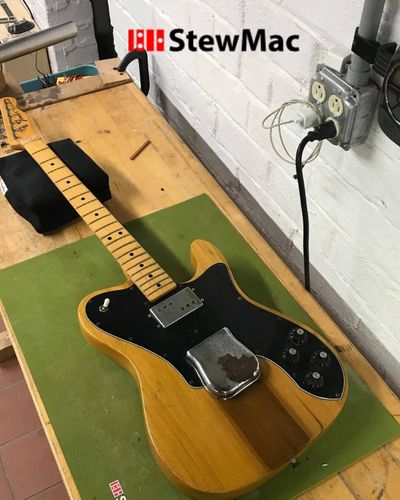
Build a Basic Guitar Setup Toolkit
Once the workspace is ready, the next step is choosing tools for routine guitar setup work. You do not need specialised equipment for every possible repair when you are just starting. A small collection of accurate tools can cover many basic jobs.
Measurements are particularly important. String height, neck alignment, fret condition, and other dimensions can affect how an instrument feels when played. Using tools designed specifically for guitar work can make these measurements easier than relying on ordinary household rulers.
StewMac’s maintenance selection includes setup tools such as string action gauges, precision straightedges, neck rests, screwdrivers, and other equipment for routine instrument care. The brand also offers complete setup kits designed to bring several commonly used tools together.
A basic toolkit can include screwdrivers suitable for the guitar hardware you work with, a string action gauge, a precision straightedge, appropriate wrenches, cutters, and tools for string changes. As your experience grows, you can add more specialised equipment.
It is useful to organise tools according to the type of job. One section could contain setup equipment, another could contain general hand tools, and another could hold electronics tools. This approach saves time because you can quickly gather what you need before beginning a project.
Beginners should also avoid rushing into advanced repairs simply because the required tool is available. Having a tool does not automatically mean that a repair should be attempted without learning the correct technique. Use instructional resources, practise on appropriate projects, and understand the purpose of each adjustment before making changes to an instrument.
A well-organised basic toolkit can become the foundation for much more advanced guitar work later.
Learn the Basics of Fret and Neck Maintenance
Fretwork and neck adjustments are among the more detailed areas of guitar maintenance. Small changes can affect playability, which means patience and accurate measurement are especially important.
Before making any adjustment, inspect the instrument carefully. Look at the neck, fretboard, frets, strings, bridge, nut, and hardware. Understanding what is happening before changing anything can prevent unnecessary adjustments.
StewMac has dedicated tools for fretting, leveling, measuring, neck and fingerboard work, nuts and saddles, and truss rod adjustments. Its luthier range includes files, straightedges, gauges, fret tools, jigs, and other equipment intended for detailed instrument work.
Fret maintenance can involve tasks such as identifying uneven frets, smoothing edges, leveling surfaces, polishing, or preparing components for installation. These jobs require precision because removing too much material can create additional problems.
For someone learning at home, it makes sense to begin with observation and basic maintenance before attempting complex fretwork. Learn how different components interact and practise using measuring tools accurately.
Neck-related adjustments also deserve caution. The truss rod is an important structural component, and changes should be made gradually with the correct tool and a clear understanding of what the adjustment is intended to accomplish.
The learning process itself can be rewarding. As you become familiar with terms such as relief, action, radius, intonation, fret leveling, and nut slotting, guitar setup becomes easier to understand.
A good workshop is not only about having tools. It is about knowing when and how to use them.
Explore Hardware and Electronics Upgrades
Once basic maintenance becomes familiar, guitar modification can open up another area of creativity. Replacing selected hardware or upgrading electronics can change the appearance, functionality, or playing experience of an instrument.
Hardware includes many small components that are easy to overlook. Bridges, tailpieces, tuning machines, knobs, pickguards, strap buttons, screws, springs, string trees, truss rod covers, and jack plates can all be replaced or upgraded depending on the instrument.
StewMac’s parts and hardware collection includes components for electric guitars, acoustic guitars, basses, banjos, mandolins, ukuleles, violins, and other stringed instruments. The range includes bridges, tuning machines, necks, pickguards, knobs, nuts, saddles, screws, and other hardware.
Electronics provide another opportunity for customisation. Guitarists interested in learning about wiring can explore components such as potentiometers, switches, jacks, capacitors, resistors, wires, battery holders, and wiring kits.
However, electronics work requires care. Soldering equipment can become hot, and incorrect wiring can prevent components from functioning properly. Beginners should learn basic electrical and soldering principles before attempting modifications.
It is also important to check compatibility before ordering replacement parts. Guitar models can differ in dimensions, mounting patterns, bridge spacing, tuner configurations, and electronic layouts. A part that looks similar may not necessarily fit a particular instrument.
Taking measurements before purchasing components can therefore save both time and frustration.
Use Kits and Projects to Develop Your Skills
For people who enjoy learning by doing, instrument kits and guided projects can provide a structured way to develop practical skills. Instead of beginning with a completely unknown project, a kit can give you a defined set of components and a clear goal.
StewMac offers instrument kits for projects including acoustic guitars, mandolins, and violins, along with electronic kits covering amplifiers, pedals, pickups, wiring, and other projects. The site also provides educational content and videos covering subjects such as building instruments, finishing, fretting, hardware installation, pickups, electronics, routing, and setup.
Projects can be approached progressively. A beginner might start with routine maintenance and gradually move toward hardware replacement. After gaining confidence, they may explore electronics or more involved building projects.
One benefit of working on projects is that each job teaches something different. Installing hardware can teach measurement and alignment. Electronics work can introduce wiring concepts. Finishing projects can teach preparation and patience. Building an instrument can bring many of these skills together.
Documentation is another useful habit. Take photographs before disassembling an instrument, label components when necessary, and keep notes about measurements. These simple steps can make reassembly easier.
It is also helpful to avoid changing multiple things simultaneously when you are trying to understand the effect of an adjustment. If several components are modified at once, it can become difficult to determine which change produced a particular result.
Treat each project as a learning opportunity rather than simply trying to finish as quickly as possible.
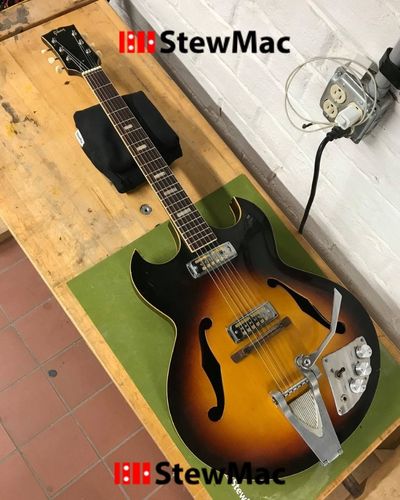
Create a Long-Term Guitar Workshop Routine
A good guitar workshop develops over time. You do not need to purchase every specialised tool when you first start. Instead, build your collection around the projects you actually perform.
Begin with tools for basic maintenance and setup. Once you use them regularly, you will naturally discover which additional tools could make your work easier. This approach can prevent the workspace from becoming filled with equipment that rarely gets used.
StewMac organises its tools by jobs such as maintenance, fretting, bridges, electronics, finishing, gluing, sanding, truss rods, tuning machine installation, nuts and saddles, and other specialised tasks. This job-based approach can also be useful when planning your own workshop.
Keep your tools clean and stored properly. Inspect cutting tools, files, measuring equipment, and other frequently used items regularly. A damaged or poorly maintained tool can make precise work more difficult.
It is equally important to maintain the guitars themselves. Regular cleaning, string changes, basic inspections, and appropriate storage can help you notice potential problems earlier.
As your skills develop, you can create separate tool groups for maintenance, setup, fretwork, electronics, and building projects. You may eventually add specialised jigs, templates, clamps, files, routers, or other equipment depending on your interests.
The most valuable part of a home workshop is not the number of tools on the wall. It is the knowledge and confidence you gain from using them correctly.
With an organised workspace, a practical toolkit, accurate measurement habits, and a willingness to learn, guitar maintenance can become much more approachable. Whether your goal is to keep your favourite instrument in good condition, experiment with upgrades, or eventually build instruments from scratch, every project can add to your skills.
A thoughtful workshop turns guitar ownership into a more hands-on experience. Instead of seeing maintenance as a chore, you can begin to understand how the instrument works, why different components matter, and how careful adjustments can support your playing experience. StewMac provides tools, parts, kits, and educational resources that can support that journey from basic maintenance toward more advanced guitar building and repair.