
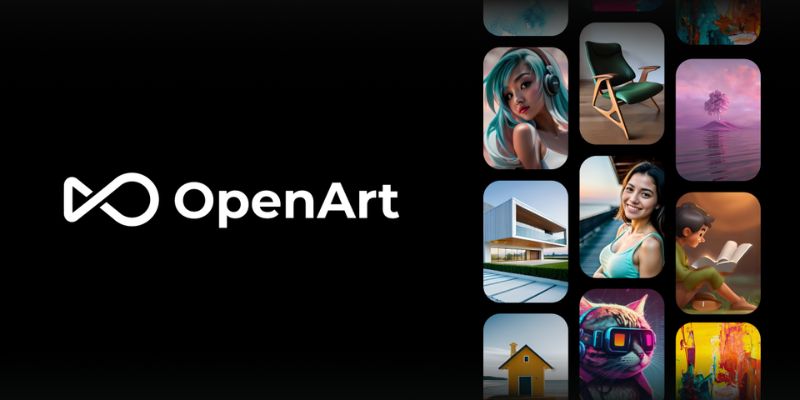
The digital world has transformed the way people create, share, and experience art. With the rise of artificial intelligence, artists and creators now have access to powerful tools that can generate images, enhance designs, and inspire entirely new forms of creativity. One platform that has gained significant attention in the AI art community is OpenArt. Designed to make AI-powered art generation accessible to everyone, the platform empowers artists, designers, and enthusiasts to explore new creative possibilities.
OpenArt stands at the intersection of technology and creativity. By combining advanced AI models with intuitive tools, the platform allows users to transform ideas into stunning visual artworks within seconds. Whether someone is a professional artist, a graphic designer, or simply a creative hobbyist, OpenArt provides the resources needed to experiment with digital art in innovative ways.
As artificial intelligence continues to reshape creative industries, platforms like OpenArt are redefining how art is produced and shared. The ability to generate high-quality visuals using AI is opening doors for individuals who may not have traditional artistic training but still want to express their creativity.
The Rise of AI-Generated Art
Artificial intelligence has introduced a new era in the world of art. AI-generated artwork uses machine learning models that analyze vast datasets of images and artistic styles. By learning patterns, colors, textures, and composition techniques, these models can generate original images based on user input.
This technological breakthrough has allowed artists to experiment with styles that were once difficult to achieve manually. AI tools can combine different artistic influences, generate new visual concepts, and produce artwork in seconds. For many creators, this represents a powerful way to explore ideas and push the boundaries of traditional design.
The popularity of AI art has grown rapidly in recent years. Social media platforms and digital communities are filled with AI-generated illustrations, concept art, and surreal designs. Artists use AI tools not only to create finished pieces but also as part of their creative process.
Platforms such as OpenArt play an important role in this movement by providing a user-friendly environment where creators can easily generate and refine AI-generated images.
Making Art Accessible to Everyone
One of the most significant advantages of OpenArt is its focus on accessibility. Traditional digital art often requires advanced software, technical skills, and years of practice. AI tools help lower these barriers, allowing anyone with an idea to create visually impressive artwork.
With simple text prompts, users can describe the type of image they want to create. The AI system then interprets these instructions and generates a visual representation. This process allows users to experiment with different concepts quickly and easily.
Accessibility also means providing a platform where beginners feel comfortable exploring their creativity. OpenArt offers an intuitive interface that simplifies the process of generating and editing AI artwork. Users can modify prompts, adjust styles, and refine images until they achieve the desired result.
This approach encourages creativity among individuals who may not consider themselves artists. By removing technical obstacles, the platform opens the door to a new generation of digital creators.
Tools and Features for Creative Exploration
OpenArt offers a variety of tools designed to support creative experimentation. These tools enable users to generate artwork in different styles, edit existing images, and explore unique visual concepts.
One of the most powerful features is AI image generation based on prompts. Users can describe scenes, characters, or abstract ideas, and the AI system transforms those descriptions into detailed visual artworks. This capability is especially useful for concept artists, game designers, and content creators who need visual references.
Another important feature is the ability to explore different artistic styles. From realistic portraits to fantasy illustrations and futuristic designs, the platform allows users to experiment with a wide range of aesthetics.
OpenArt also supports image enhancement and variation generation. This means users can take an existing image and create multiple alternative versions with different colors, lighting, or compositions.
These tools provide artists with a dynamic environment where creativity and technology work together to produce stunning results.
Supporting Artists and Creative Communities
While AI tools can generate art quickly, the role of human creativity remains essential. OpenArt recognizes this by focusing not only on technology but also on supporting the artistic community.
The platform encourages users to share their creations, explore artworks made by others, and learn from different artistic approaches. This collaborative environment helps foster inspiration and creative growth.
Artists often use OpenArt as part of their creative workflow rather than as a replacement for traditional techniques. For example, an illustrator might generate concept ideas using AI and then refine the final artwork manually.
Creative communities play a significant role in the evolution of digital art. By connecting artists from different backgrounds and cultures, platforms like OpenArt create opportunities for collaboration and knowledge sharing.
This sense of community helps ensure that AI remains a tool that enhances creativity rather than replacing the artistic process.
AI and the Future of Digital Art
The integration of artificial intelligence into creative industries is still evolving. As technology continues to improve, AI tools will likely become even more sophisticated and capable of producing highly detailed and realistic artwork.
Platforms like OpenArt represent an early stage in this transformation. Future AI systems may offer even more advanced customization, allowing artists to control every aspect of the creative process with greater precision.
AI may also become a standard tool in fields such as animation, advertising, game development, and film production. By accelerating the design process, AI can help creative professionals bring their ideas to life more efficiently.
However, the future of AI art also raises important discussions about originality, ownership, and the role of human creativity. As the technology develops, artists and platforms will need to find ways to balance innovation with ethical considerations.
Despite these challenges, AI art continues to inspire new forms of creative expression and experimentation.
Why OpenArt Is Shaping the Creative Landscape
OpenArt stands out in the growing field of AI art platforms because of its focus on accessibility, creativity, and community. By offering powerful AI tools in an easy-to-use environment, the platform allows individuals to explore artistic ideas without needing extensive technical knowledge.
The platform’s ability to generate diverse styles and visual concepts makes it particularly valuable for designers, content creators, and digital storytellers. Whether someone is creating concept art for a game, illustrations for a blog, or simply experimenting with creative ideas, OpenArt provides a flexible and inspiring workspace.
Additionally, the platform’s emphasis on sharing and collaboration strengthens the global creative community. Users can discover new styles, learn from other artists, and develop their skills through experimentation.
As more people explore AI-powered creativity, platforms like OpenArt will continue to shape how art is produced and experienced in the digital age.
Conclusion
The fusion of artificial intelligence and artistic creativity is transforming the digital art landscape. OpenArt represents an exciting step forward in this evolution by providing tools that make AI-generated art accessible, intuitive, and inspiring.
Through its powerful features, user-friendly interface, and supportive creative community, the platform empowers individuals to experiment with new artistic ideas and techniques. Whether someone is an experienced designer or a beginner exploring digital creativity, OpenArt offers a gateway to limitless artistic possibilities.
As technology continues to evolve, the relationship between AI and human creativity will become even more dynamic. Platforms like OpenArt demonstrate that when innovation and imagination come together, the result can be a powerful new era of artistic expression.