
1. Why Email Management Is Essential for Growing Companies
As businesses expand their digital presence, managing customer communication becomes increasingly important. Companies use email to introduce new products, share useful information, confirm purchases, send important updates, and maintain relationships with existing customers. Unlike communication channels that depend on constantly changing algorithms, email gives businesses a direct way to reach people who have subscribed or otherwise agreed to receive relevant messages.
However, maintaining an effective email communication system requires more than creating attractive newsletters. Businesses must also ensure that their contact databases contain accurate information and that their messages follow appropriate delivery practices. An outdated database can contain invalid addresses, temporary accounts, and contacts that no longer exist. Sending campaigns without reviewing these records can increase bounce rates and create unnecessary challenges for marketing teams.
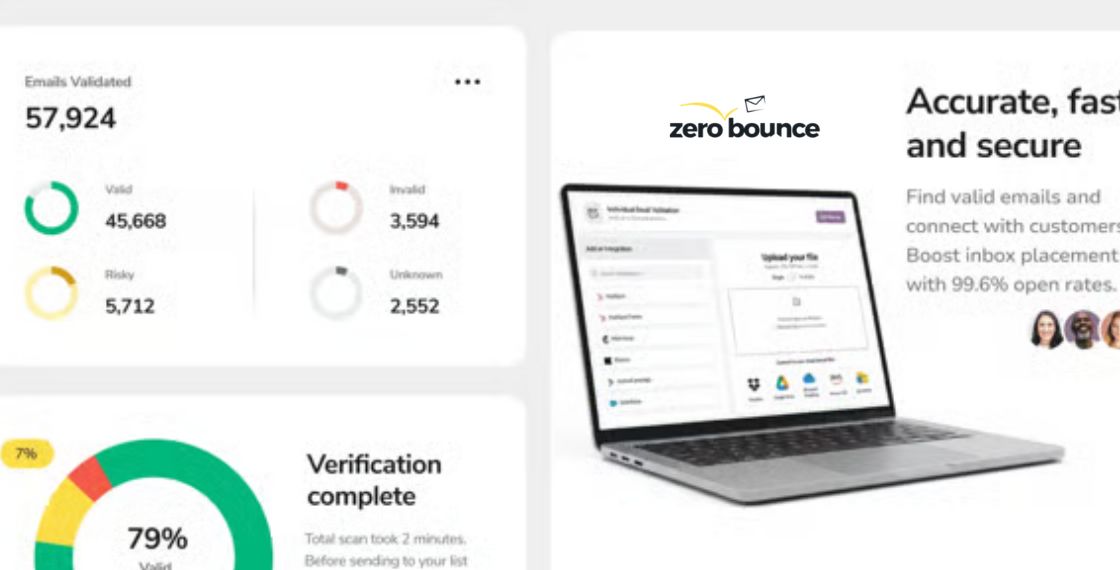
ZeroBounce provides a range of email management solutions designed to help businesses improve their contact information and email deliverability. Its services include bulk email verification, real-time validation, email scoring, Email Finder, inbox placement testing, and sender reputation monitoring. These tools are relevant to companies that want to improve the reliability of their communication processes.
Whether a business manages a small newsletter or a large customer database, maintaining good email hygiene can support more organised marketing activities. It also allows teams to spend less time dealing with incorrect records and more time creating useful communication for their audiences.
2. Managing Customer Databases Without Unnecessary Complexity
A customer database often grows through several different activities. Website registrations, online purchases, downloadable resources, event registrations, and advertising campaigns can all introduce new email addresses. Over time, these records may become inconsistent, especially when different departments collect information using separate systems.
For example, an e-commerce company may have one list for customers, another for newsletter subscribers, and a third for promotional campaign leads. Some contacts may appear in multiple lists, while others may contain typing errors or outdated information. Without regular maintenance, these databases can become difficult to manage.
The verification services offered by ZeroBounce help businesses identify email addresses that may create delivery problems. Users can upload lists for bulk verification or check individual addresses through available validation tools. Results help distinguish valid contacts from invalid, disposable, abuse-related, and other potentially risky addresses.
The platform also supports catch-all detection and spam trap identification, providing additional information about the condition of a contact database. These checks can be especially useful for businesses that receive large volumes of registrations or regularly import customer information from different sources.
A structured database maintenance process can improve the way marketing teams organise their work. Companies can establish regular verification schedules, review duplicate records, update contact information, and maintain separate lists according to customer preferences. These activities help create a cleaner foundation for future campaigns.

3. Connecting Email Verification with Existing Business Systems
Businesses rarely manage their marketing activities through one platform alone. A typical digital operation may include a website, customer relationship management software, an email marketing service, an online store, and several automation tools. When these systems work together, companies can manage customer information more efficiently.
However, incorrect email addresses can enter a business system at almost any stage. A visitor might make a mistake while completing a registration form, or a marketing team might import an old spreadsheet containing outdated contacts. Checking these addresses manually becomes increasingly difficult as the organisation grows.
ZeroBounce offers API-based email verification that allows businesses to connect validation processes with their existing applications and websites. This can help companies check addresses as users enter them through registration forms, newsletter subscriptions, and other data collection points.
For example, a company offering online training may ask visitors to register before accessing a free learning resource. Integrating email validation into the registration process can help identify problematic addresses before they are added to the marketing database. Similarly, an online retailer can use verification as part of its customer information workflow.
Bulk verification is also useful when businesses need to clean existing databases. Rather than reviewing every address individually, teams can process larger lists and use the resulting information to organise their records.
The availability of integrations and API documentation makes the platform relevant to both technical teams and marketing professionals. Businesses should review compatibility, implementation requirements, and usage limits before connecting it to their systems.
4. Improving Campaign Planning with Email Performance Insights
A marketing campaign should be evaluated through more than the number of messages sent. Businesses also need to understand whether their emails are reaching recipients and whether their communication practices support consistent delivery.
High bounce rates, poor engagement, authentication problems, and reputation concerns can make campaign performance difficult to maintain. These issues may develop gradually, which is why regular monitoring is important.
ZeroBounce offers several tools that help businesses investigate different aspects of email performance. Its inbox placement testing provides insight into where messages may land across supported mailbox providers. Email server testing can help identify technical issues, while blacklist monitoring helps users check for potential domain or IP listing problems.
The platform also includes DMARC monitoring, which supports businesses in reviewing email authentication reports. DMARC works alongside SPF and DKIM to help domain owners establish policies for handling messages that fail authentication checks.
Email warmup is another service available for businesses working with sending infrastructure. Establishing a responsible sending routine and monitoring engagement can help support a consistent sending reputation. However, warmup should always be combined with proper authentication, relevant messaging, and permission-based contact practices.
These insights can help marketing teams identify areas that require attention before launching important campaigns. Instead of treating email delivery as an unpredictable outcome, businesses can develop a more organised approach to monitoring and improving their communication systems.
5. Exploring Flexible Plans and Current Pricing Options
Selecting an email management service depends on the size of a contact database, the frequency of campaigns, and the features required by the business. A small company may only need occasional list verification, while a marketing agency could require regular bulk processing, API access, and additional deliverability services.
The free account available from ZeroBounce provides a starting point for eligible users. Business or premium domain registrations include 100 email verification credits every month, along with 10 Email Finder queries. The free offering also includes one inbox placement test, one email server test, and one blacklist monitor scan. These monthly allowances make it easier to explore different services before purchasing a larger package.
For businesses that require more verification capacity, the pay-as-you-go option offers flexibility. Published pricing starts at $39 for 2,000 email verification credits, with different rates for larger credit packages. This can be suitable for companies that clean their databases periodically rather than requiring the same volume every month.
Another option is ZeroBounce ONE™, a bundled subscription that combines email verification and scoring credits with access to several additional tools. The advertised starting price is $99 per month. Customers choosing annual billing can receive a 20% saving on the listed monthly subscription price, subject to the applicable terms.
Before choosing a package, businesses should calculate their expected monthly usage and compare the features included in each option. It is also important to check whether the selected plan supports the required integrations and usage limits.
The official website provides updated information about available services and pricing. Checking the current details before purchasing helps businesses make informed decisions and select a solution that matches their communication requirements.

6. Creating Long-Term Value Through Responsible Email Practices
Building a reliable email database is not a one-time activity. Customer information changes, people update their contact details, and businesses continuously attract new subscribers. A database that was accurate several months ago may contain problematic records today. This makes regular maintenance an important part of long-term digital marketing management.
Businesses can begin by introducing verification checks at the point of registration and periodically reviewing existing contact lists. They should also monitor delivery performance, maintain appropriate authentication settings, and remove or suppress contacts that should no longer receive messages. Clear subscription preferences and easy unsubscribe options are equally important for maintaining customer trust.
ZeroBounce brings together several tools that support this process, including email verification, real-time API validation, scoring, Email Finder, inbox placement testing, and reputation monitoring. Its range of services allows businesses to explore different aspects of email management according to their requirements.
For growing companies, these capabilities can help create more organised workflows and reduce the difficulties associated with poor-quality contact information. Marketing agencies can use verification as part of their campaign preparation, while online businesses can introduce validation into their registration and customer management processes.
The most effective approach is to combine technology with responsible communication. Businesses should send relevant messages, respect customer consent, and follow applicable data protection requirements. No verification service can guarantee that every email will reach the inbox, but maintaining accurate data and monitoring sending practices can help reduce avoidable problems.
If your organisation wants to improve its email management process, explore the available services and compare the plans that suit your needs. Visit the official website to discover how better contact data and deliverability tools can support a more reliable customer communication strategy.